From Sculpture to Construction
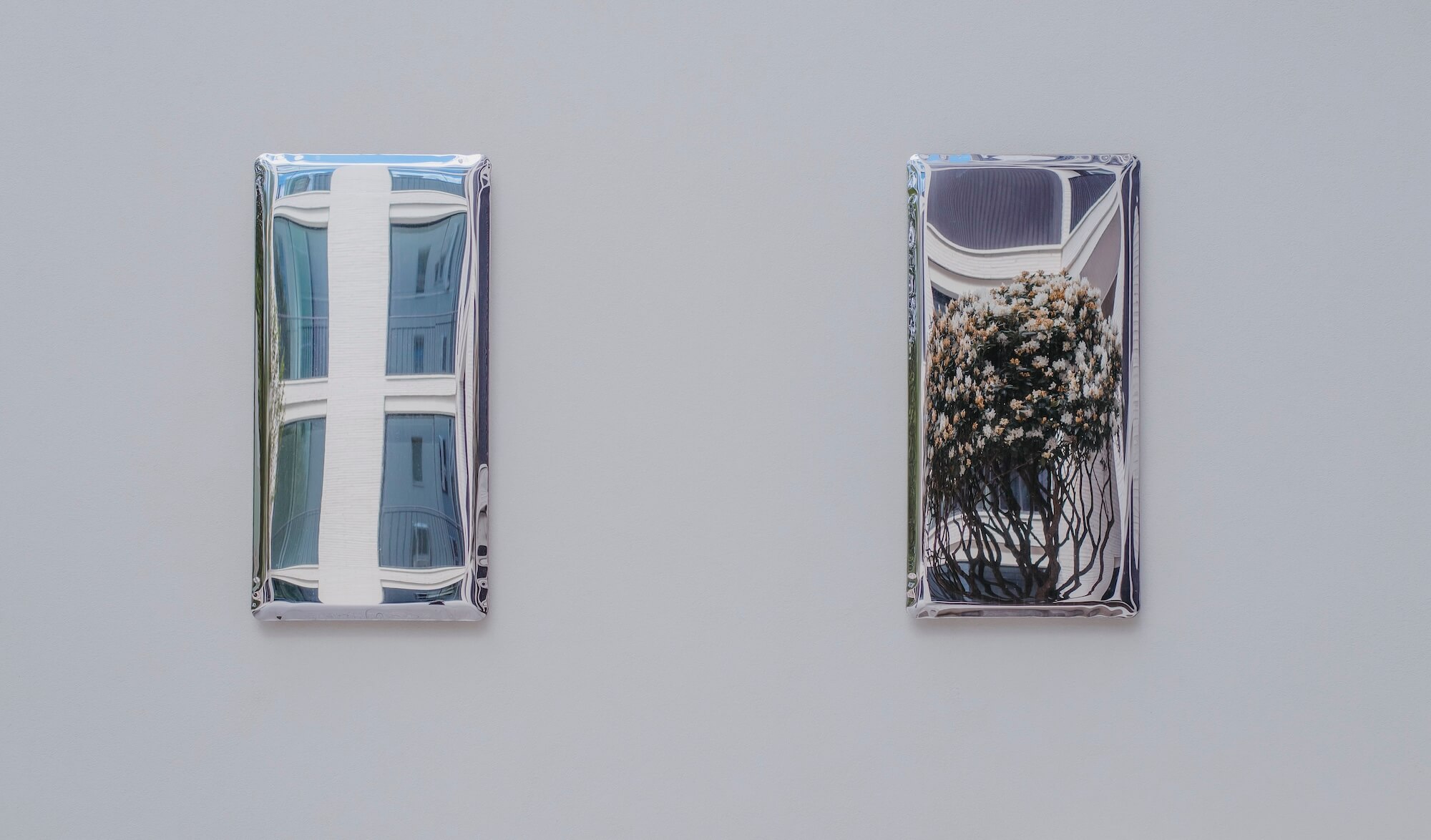
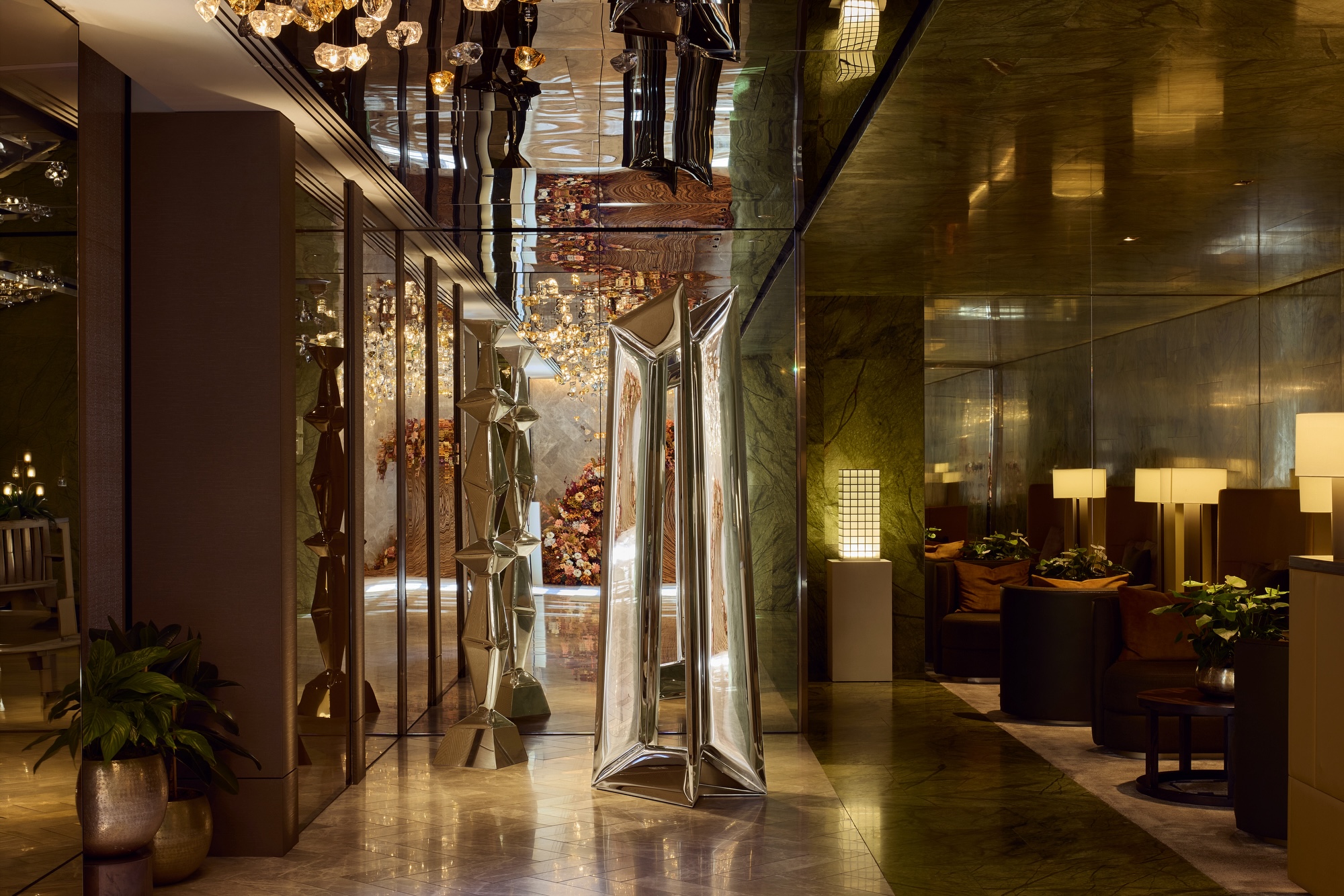
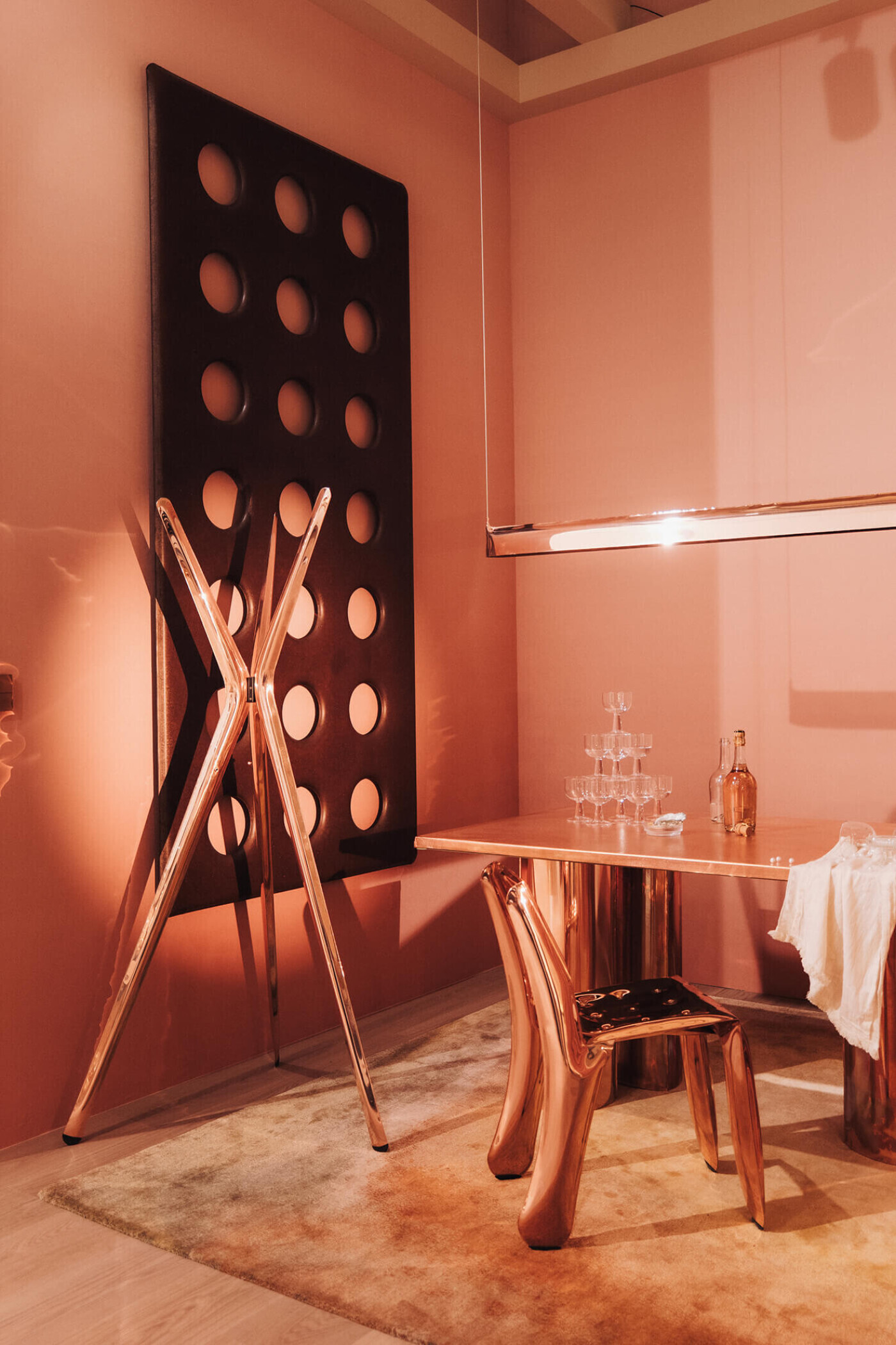
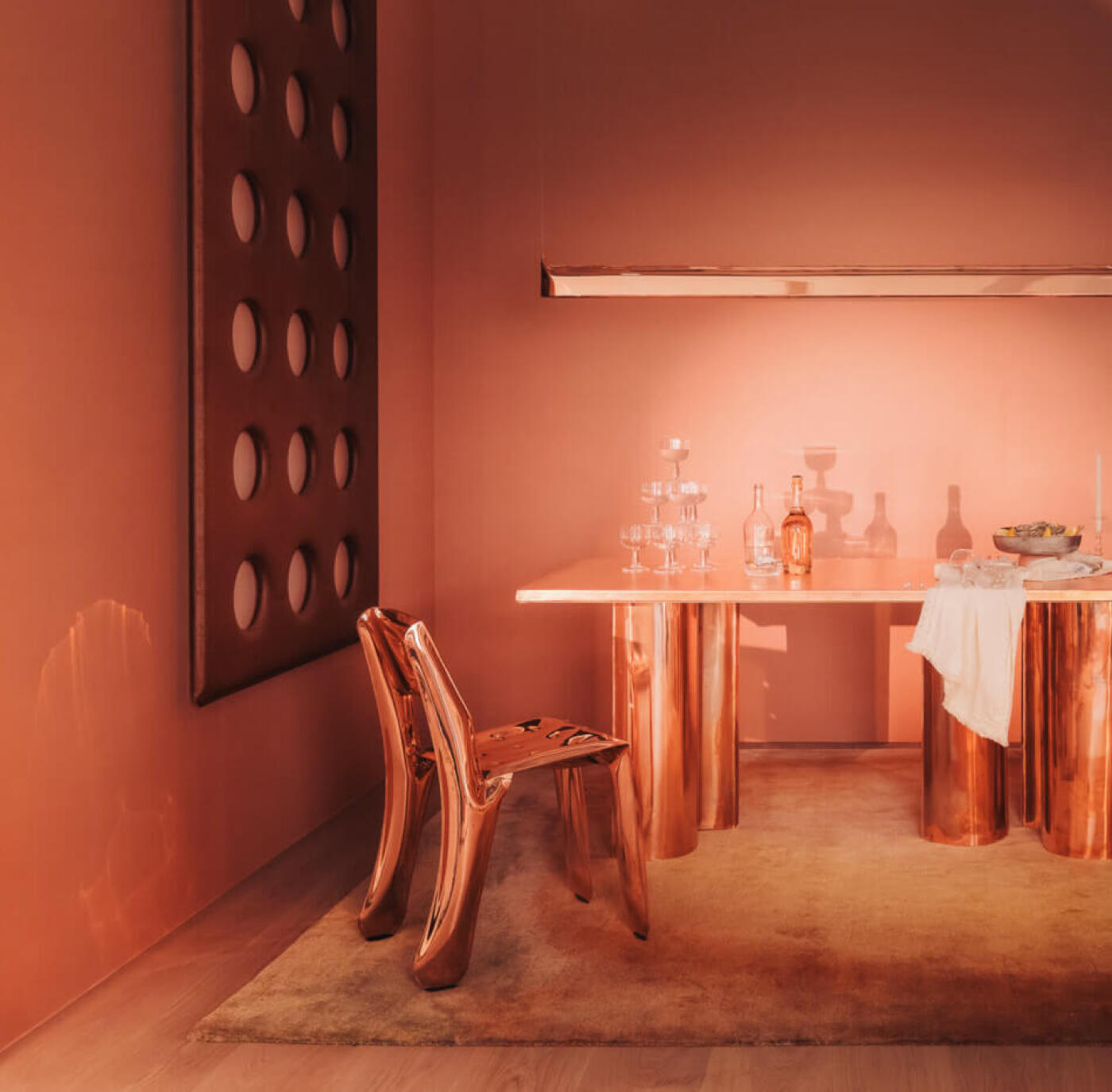
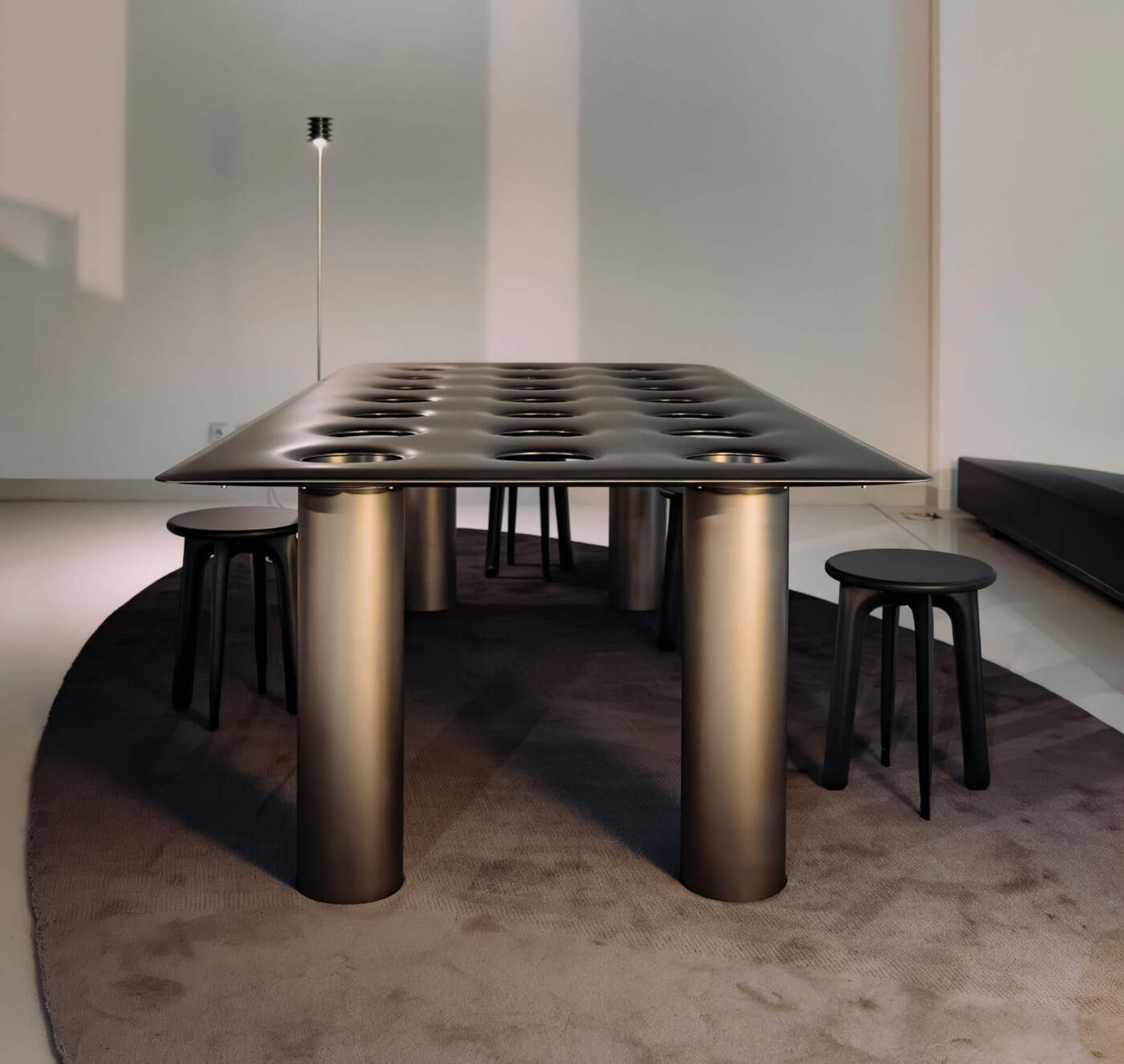
Re:Panel Table evolves directly from the sculptural object Re:Panel, first presented at Salone del Mobile 2025. What began as a vertical, autonomous metal form—an exploration of reduction, structural logic, and industrial openness—has been reoriented into a horizontal plane. This transformation is not merely formal; it redefines the object’s role, shifting from contemplation to use, while preserving its conceptual intensity.
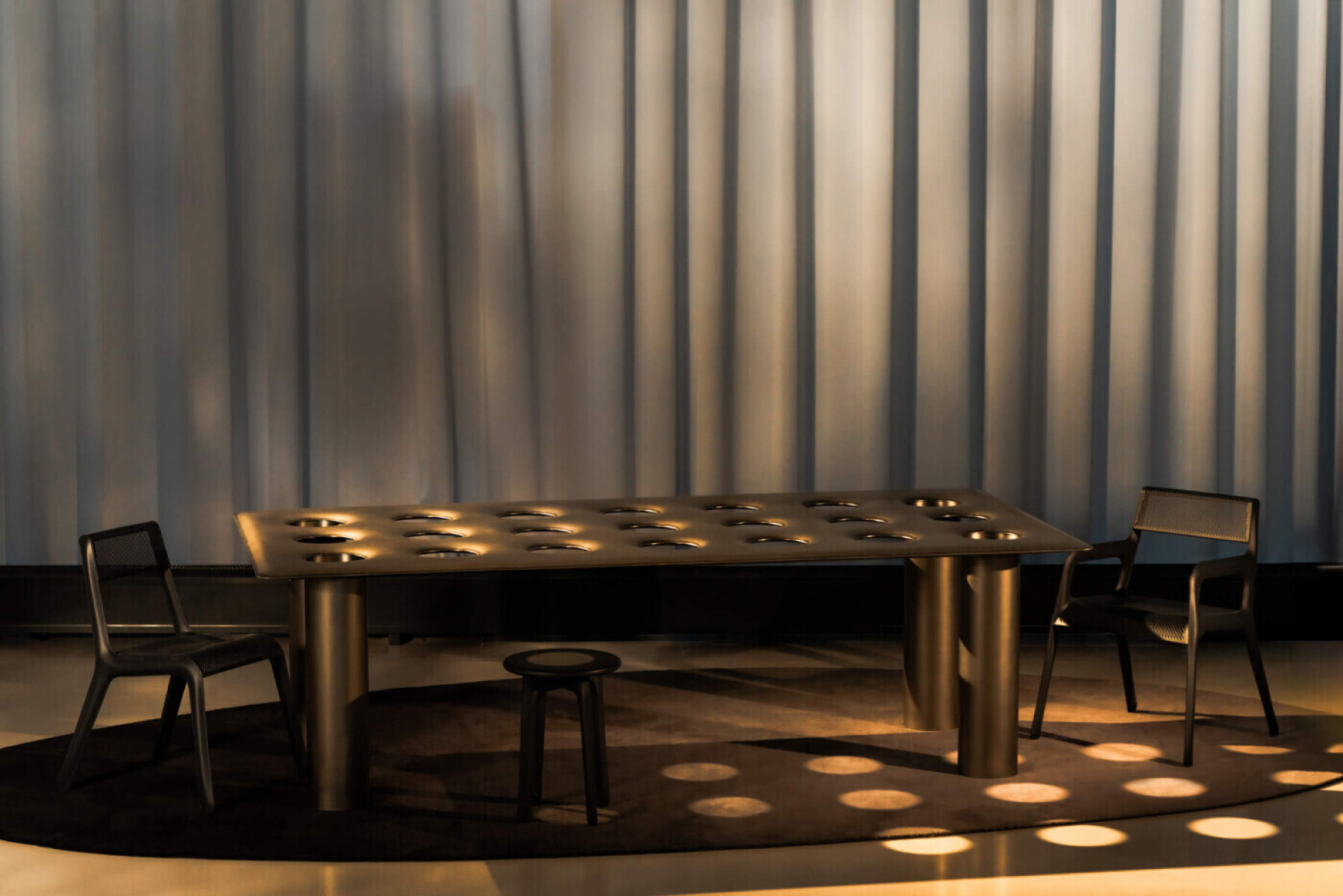
photo: Szymon Jędrzejewski/Alex Iwański/Julia Leus
The Unobvious Surface
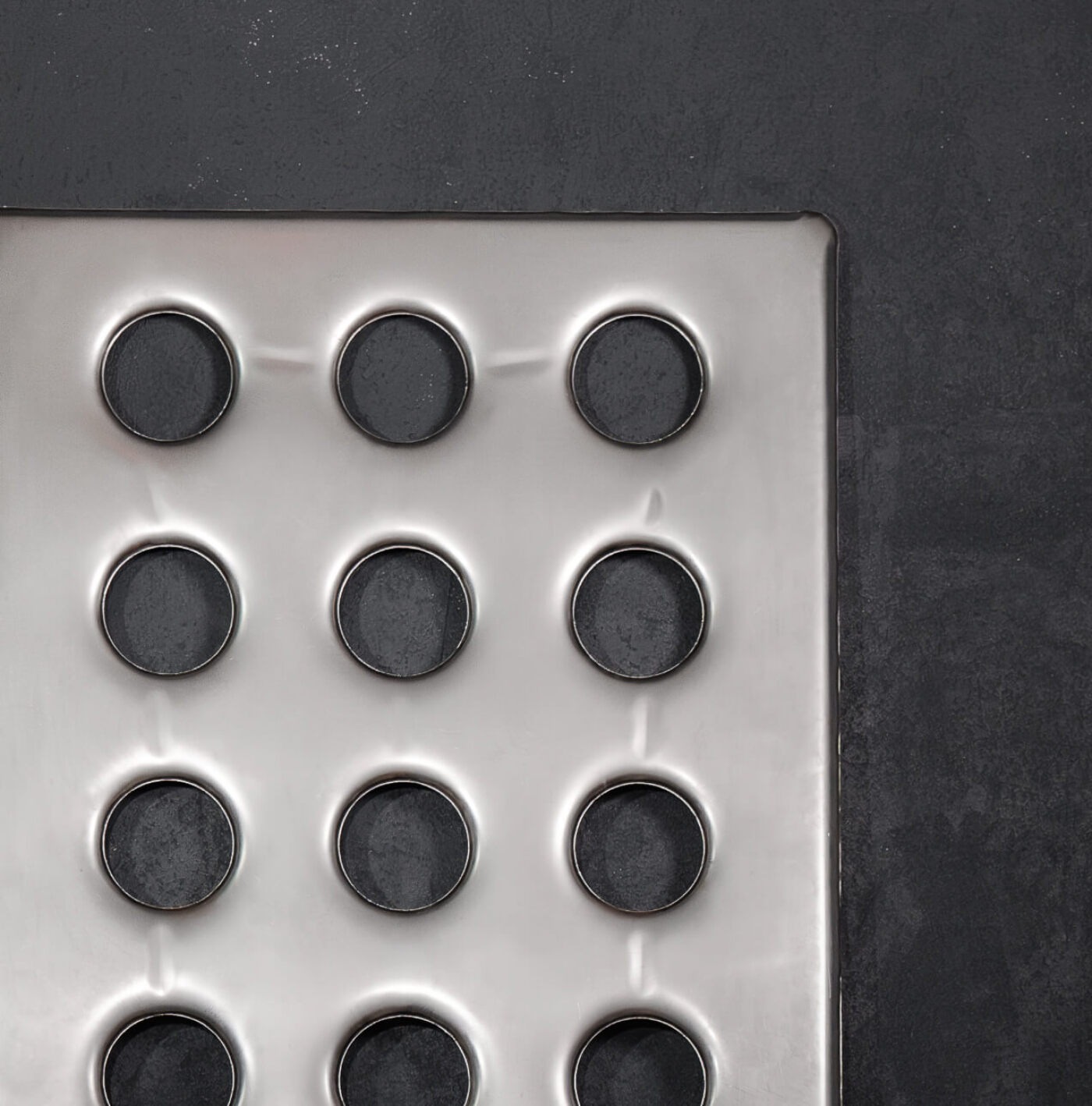
At first glance, the tabletop resists conventional expectations. Perforated with a rhythmic grid of openings, it challenges the idea of a continuous, solid plane. These voids are not decorative—they are structural, conceptual, and generative. The absence of material becomes as meaningful as its presence, echoing Zięta’s long-standing pursuit of radical reduction and efficiency.
Material Honesty and Brutalist Expression
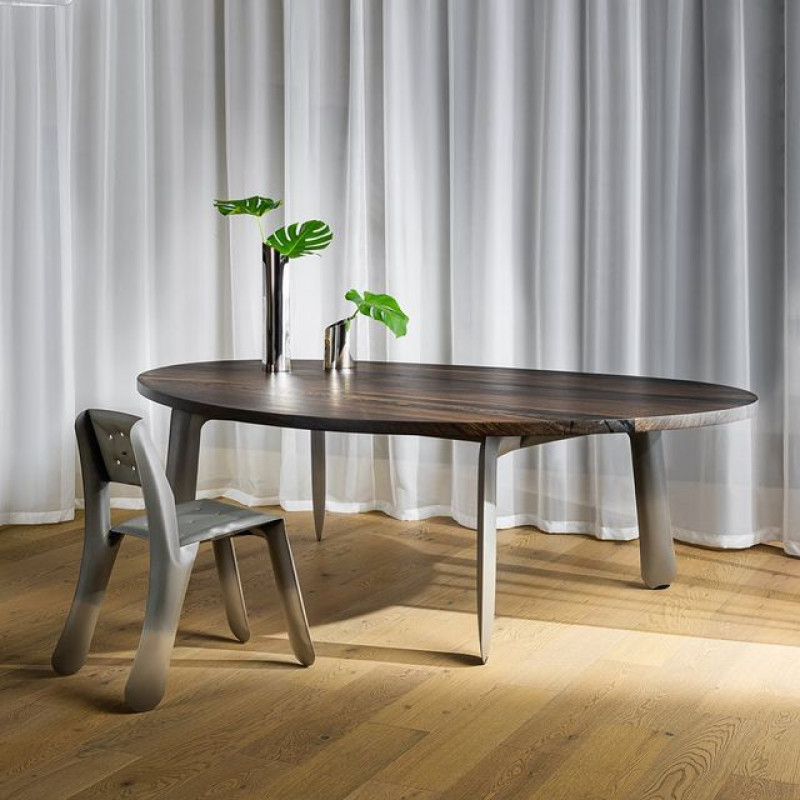
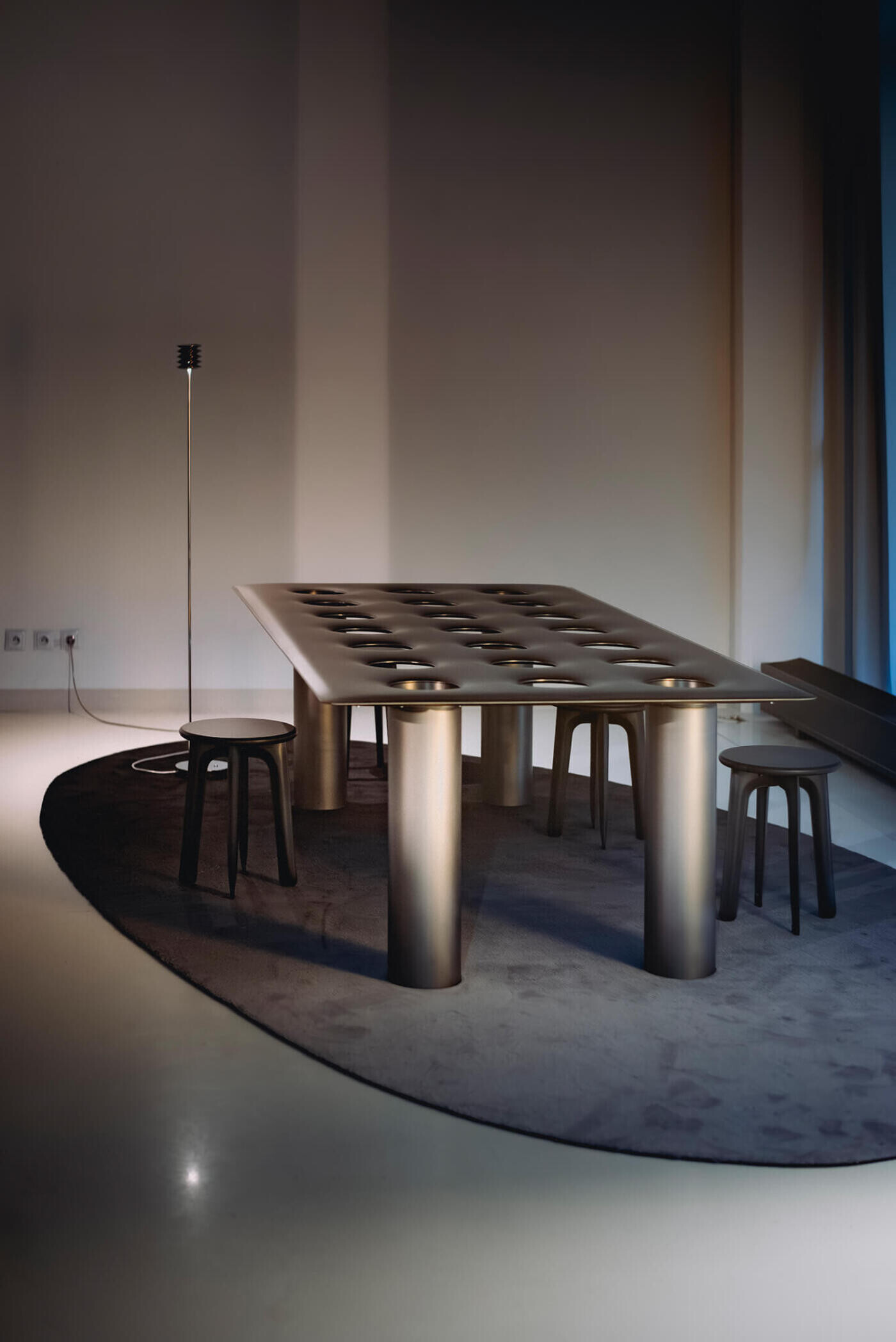
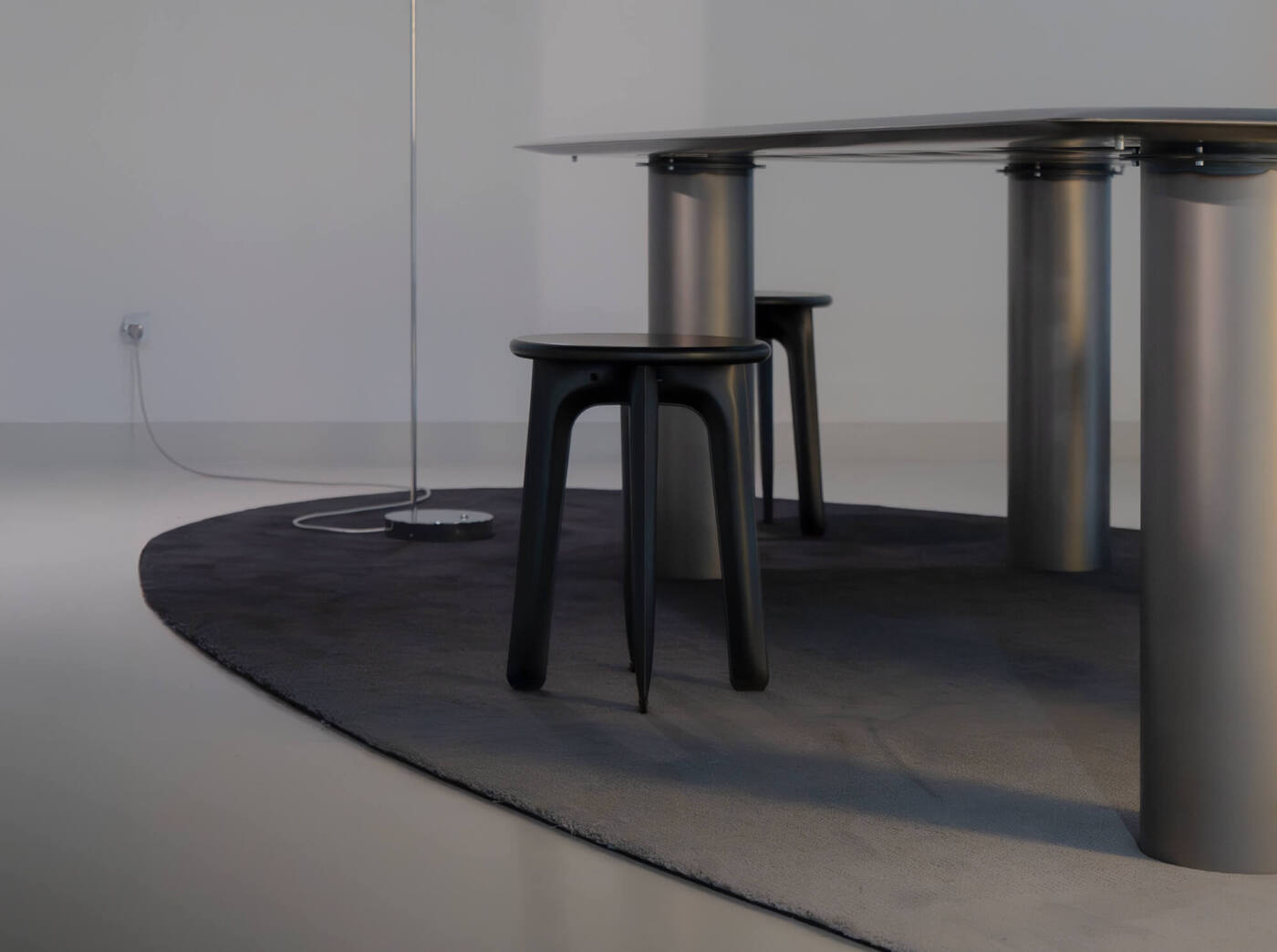
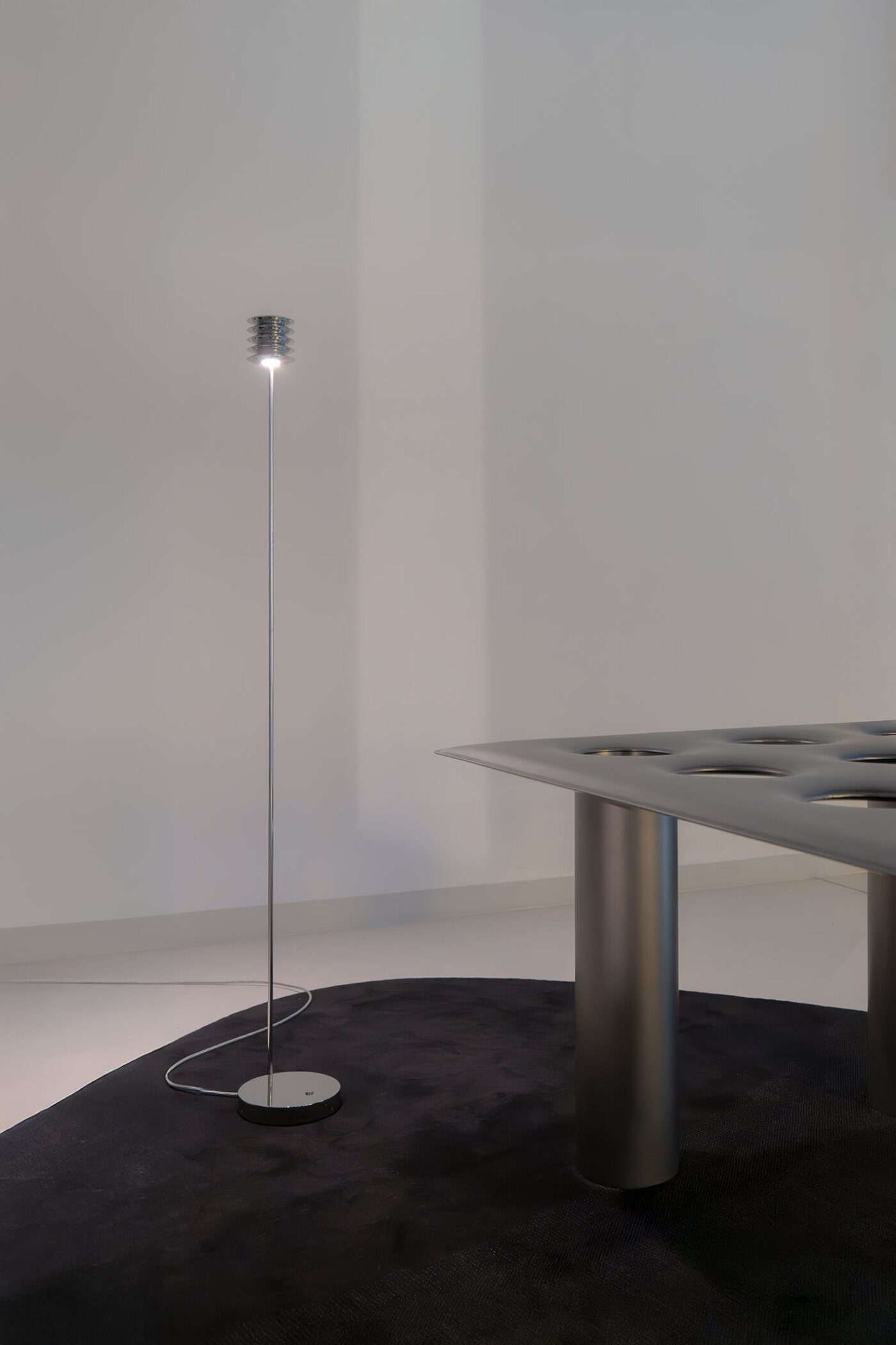
Crafted in steel and shaped through FiDU technology, the table embodies a distinctly brutalist character. Its raw, industrial presence is softened only by subtle surface treatments and the play of light across its inflated geometry. The cylindrical legs, solid yet lightweight, anchor the composition, revealing the tension between mass and air—between what appears heavy and what is, in fact, ultralight.
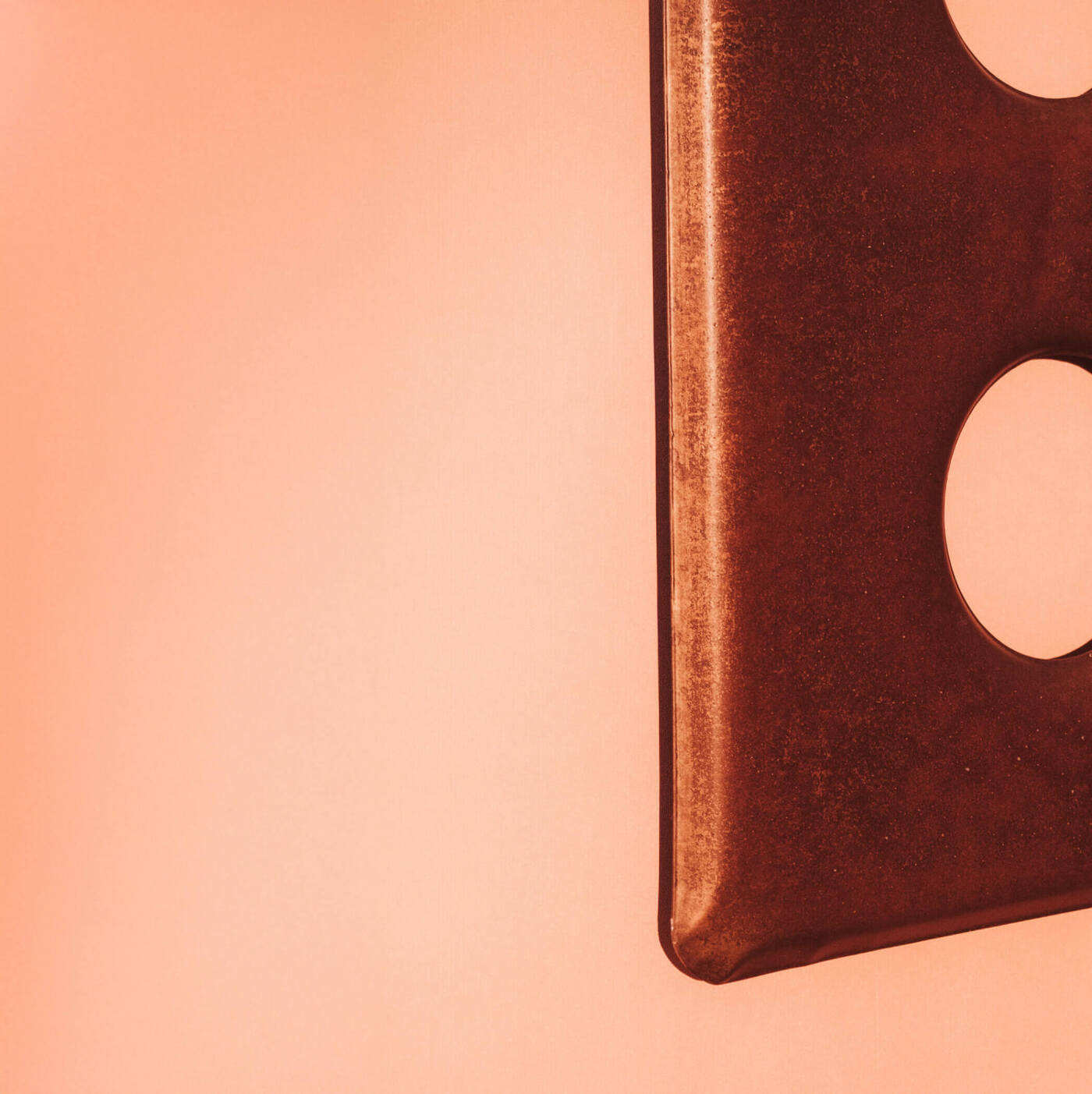
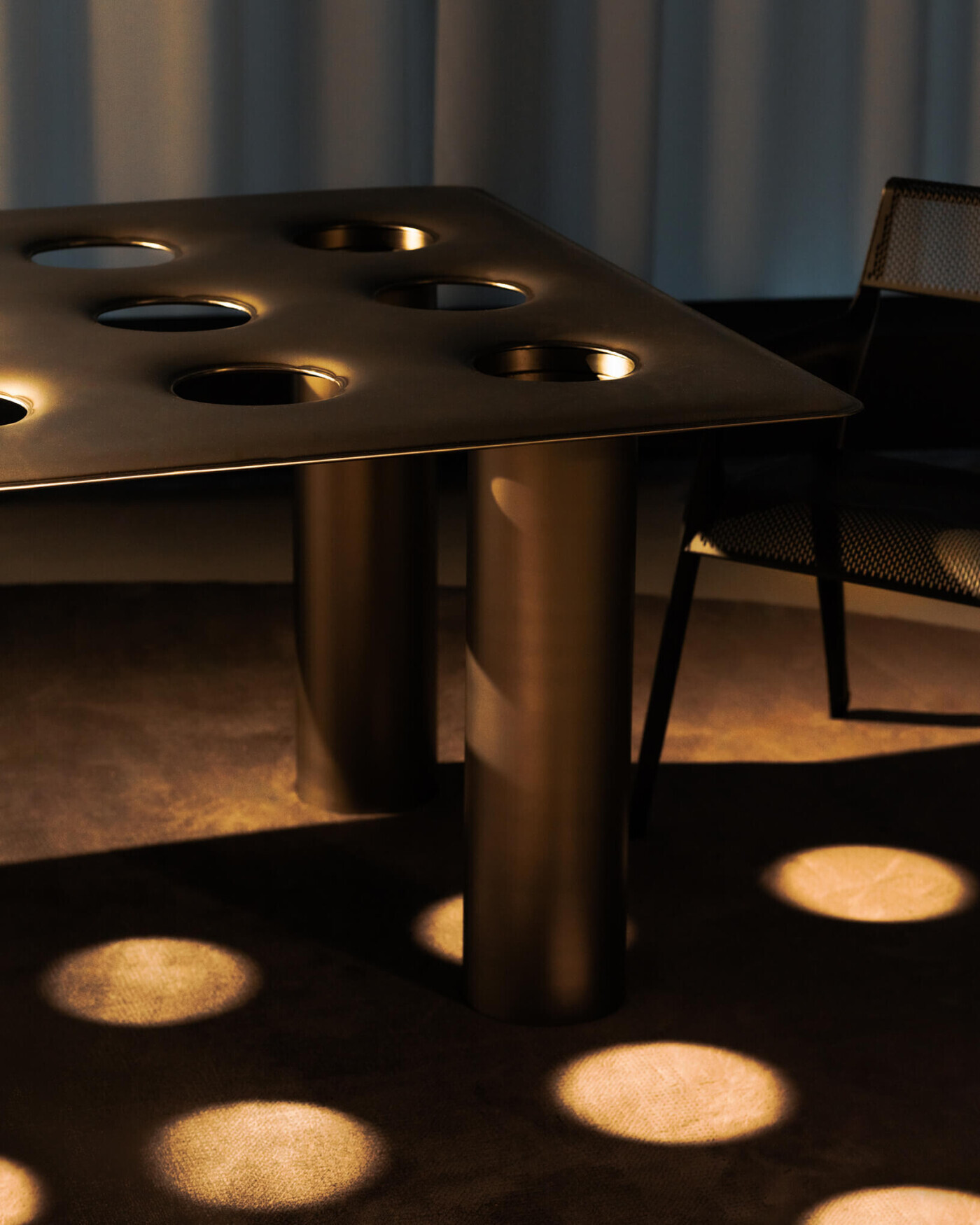
photo: Szymon Jędrzejewski/Alex Iwański/Julia Leus
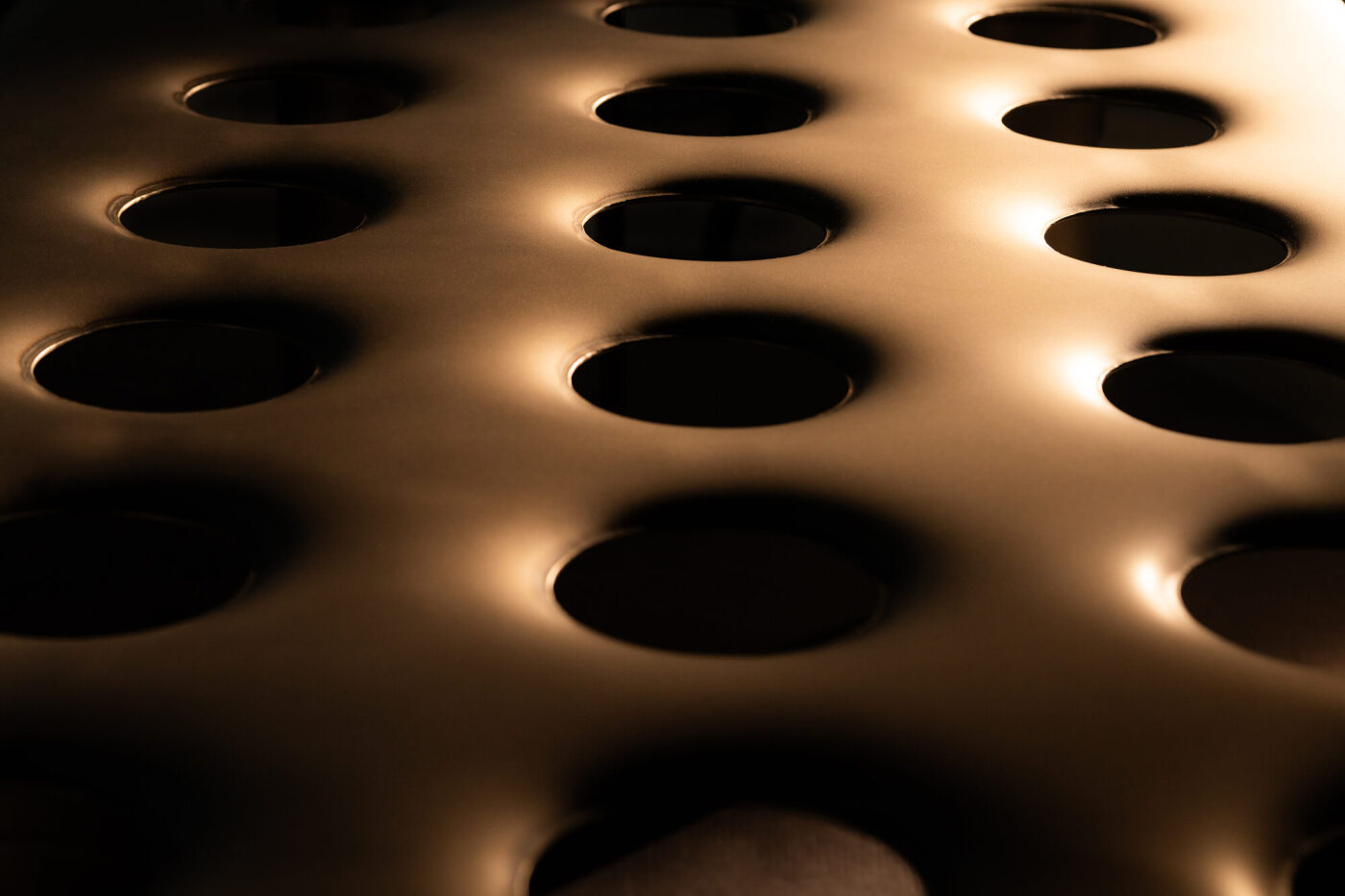
photo: Szymon Jędrzejewski/Alex Iwański/Julia Leus
Structural Thinking Made Visible
Re:Panel Table is a manifestation of constructual thinking. Every opening, every curve, every proportion is the result of calculated force distribution and material behaviour. It is a table, but also a prototype—a compressed architectural idea. Like many of Zięta’s works, it operates simultaneously as a functional object and a research model, scaling down complex structural ambitions into a domestic dimension.
The Role of the Void
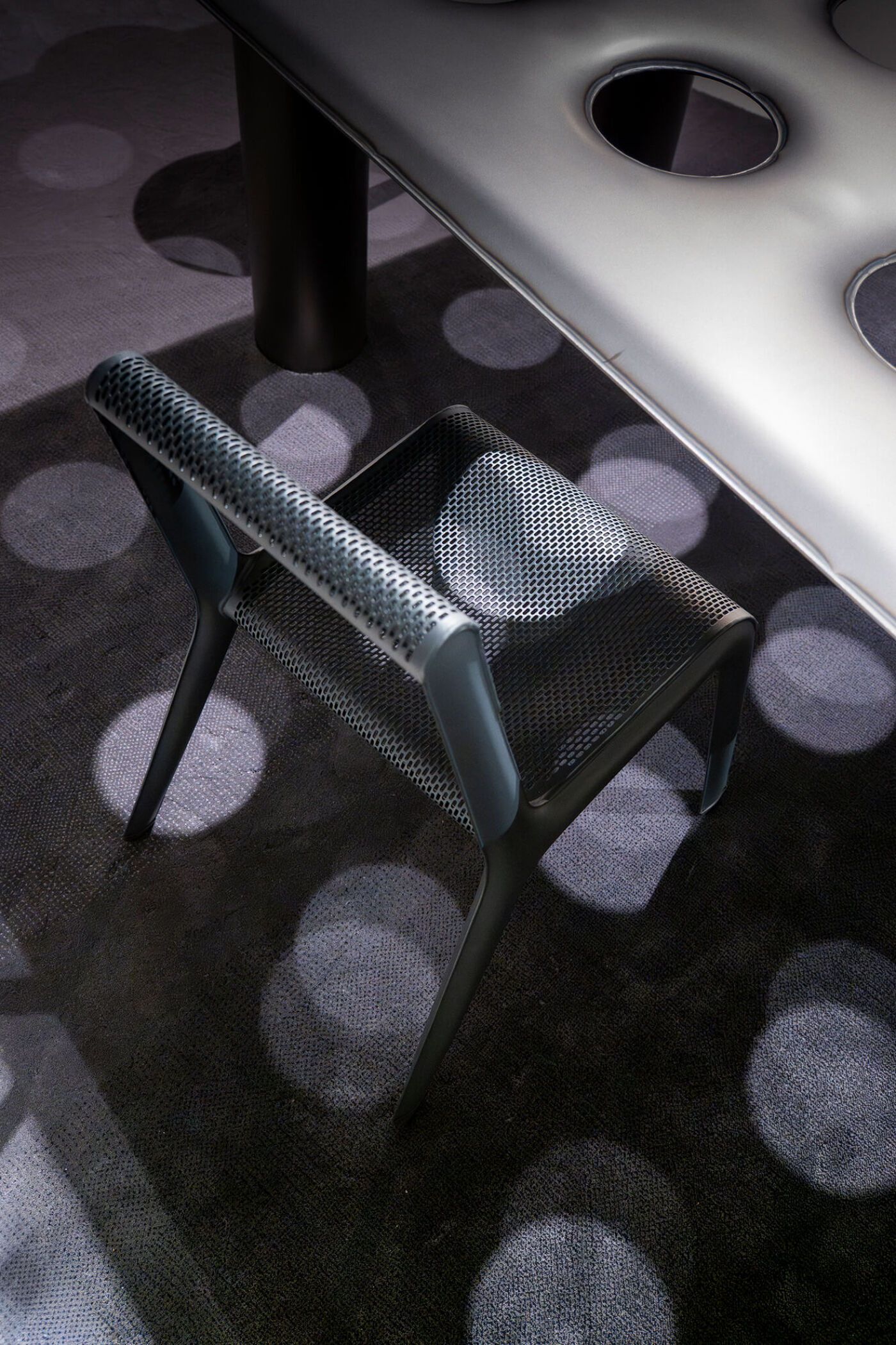
The perforations in the tabletop introduce a new spatial dynamic. Light passes through, creating ever-changing patterns beneath the surface. The table does not end at its edges; it extends into the space below, activating the floor and surroundings. The void becomes an active participant in the design—an invisible architecture shaped by light and shadow.
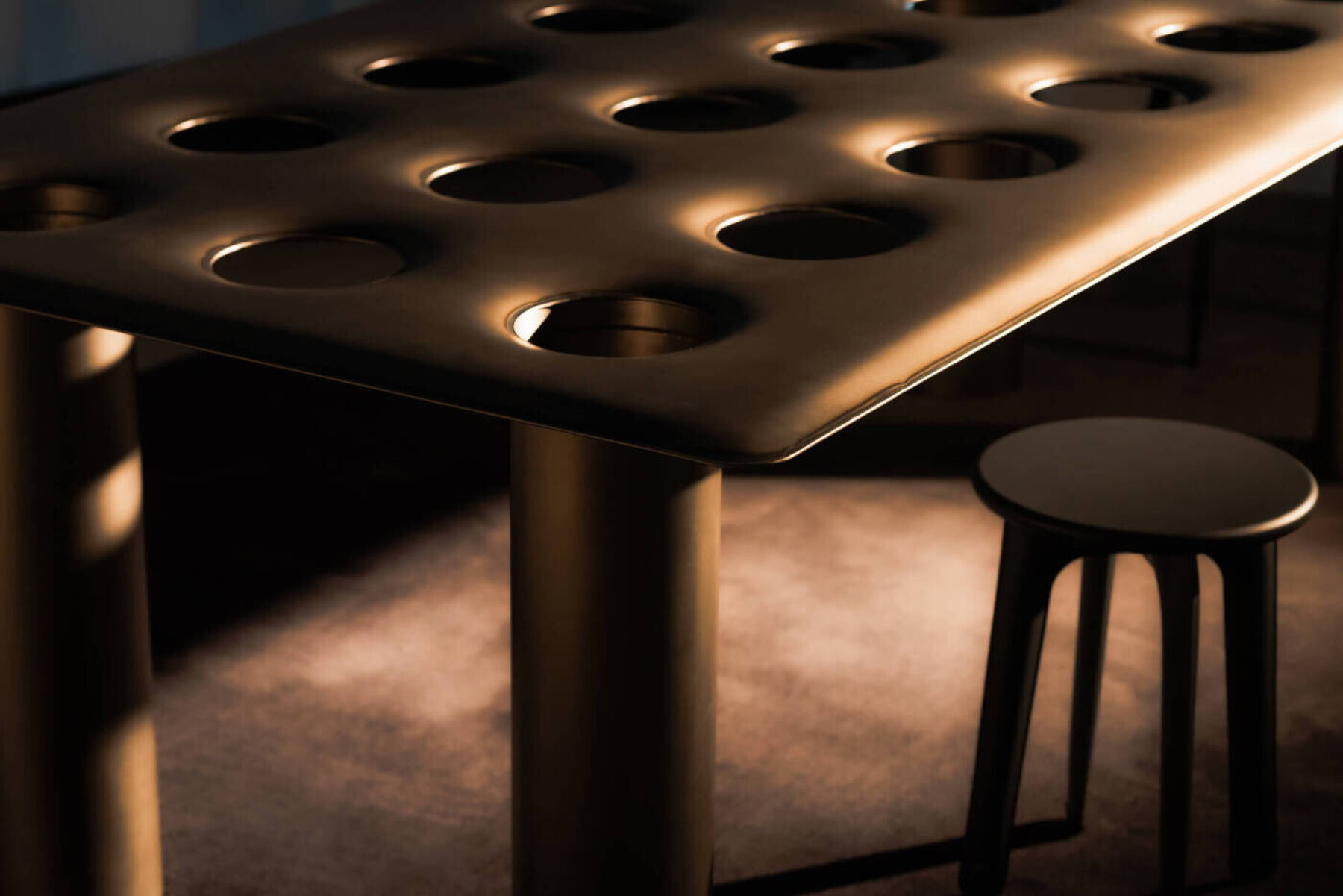
photo: Szymon Jędrzejewski/Alex Iwański/Julia Leus
From Absence to Collaboration
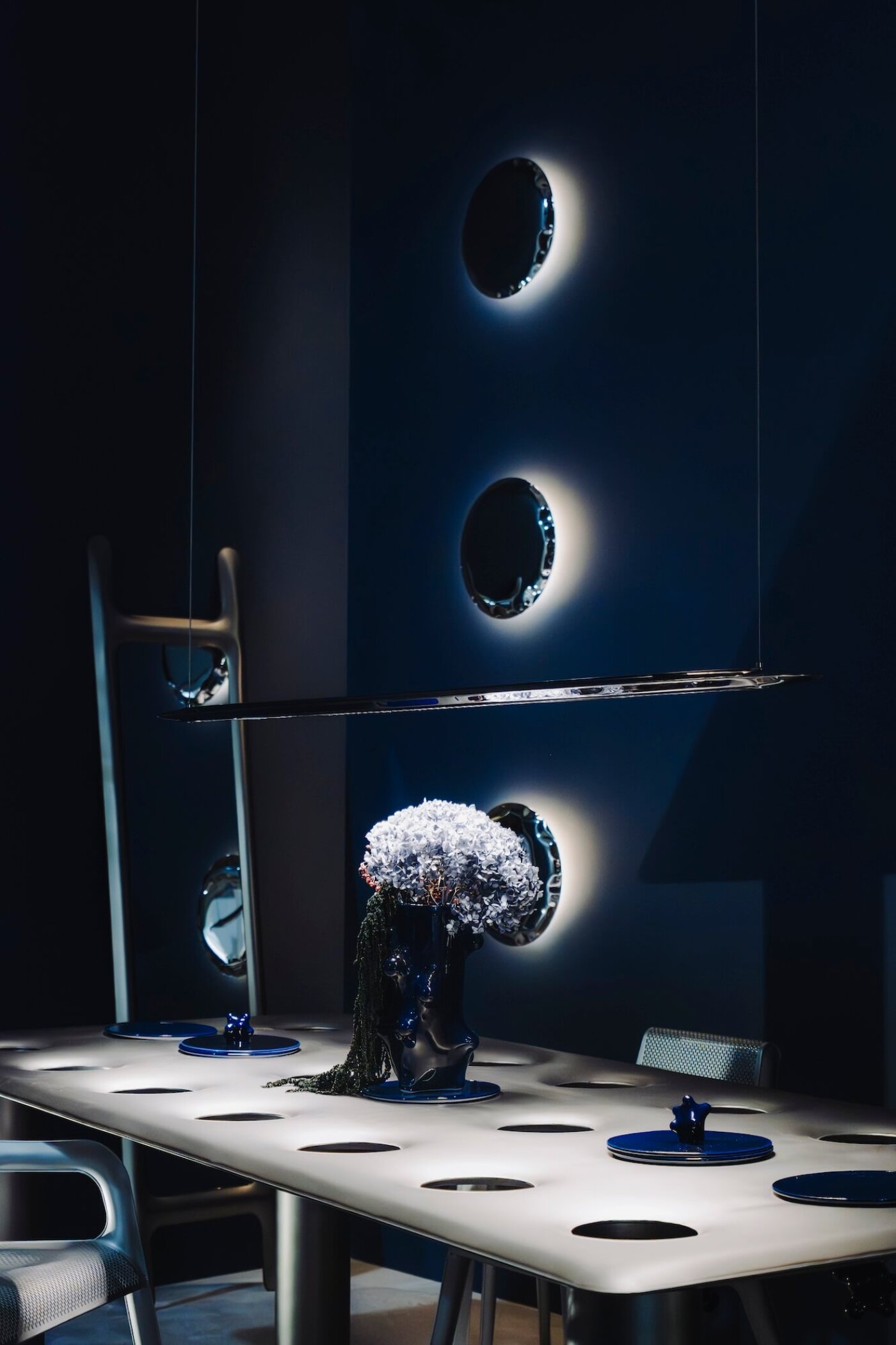
What initially appears as a structural necessity becomes the starting point for artistic dialogue. The openings in the tabletop led to the collaboration inaugurated at Salone del Mobile 2026: Zieta x Szwed. This partnership introduces ceramic forms that inhabit the voids—filling them, interrupting them, or engaging with them in unexpected ways.
Ceramics in Metal
In this collaboration, ceramic sculptures are placed within the steel structure, creating a layered composition. Suspended beneath the tabletop, they transform the underside into a field of artistic expression. The contrast between the precision of metal and the tactile, expressive nature of ceramics generates a new material narrative—one that bridges control and spontaneity.
A Living Object
Re:Panel Table is not a closed form. It is an evolving system—open to interpretation, modification, and collaboration. From its origins as a sculptural “offcut” to its current role as a functional object enriched by ceramic intervention, it remains a testament to continuous exploration. It is a table, a structure, and a platform for future ideas.
In Dialogue with Jean Prouvé
Re:Panel Table also enters into a direct dialogue with the legacy of Jean Prouvé, particularly his concept of the “façade panel.” Like Prouvé, Zięta approaches metal as both structure and surface—an element that defines space while carrying load. The logic of prefabrication, repetition, and efficiency is embedded in the table’s DNA.
A New Panel
Re:Panel reinterprets Prouvé’s heritage through contemporary tools and FiDU technology, translating the idea of an architectural panel into an ultralight, inflated steel form. It is both homage and continuation—a reflection on how Prouvé’s principles can evolve in the age of computational design and advanced fabrication.