Cart (0)
Back to Special projects

HARMONICA TABLE — STRUCTURE, STONE, PROCESS

Thinking through structure — the essence of Zięta’s design
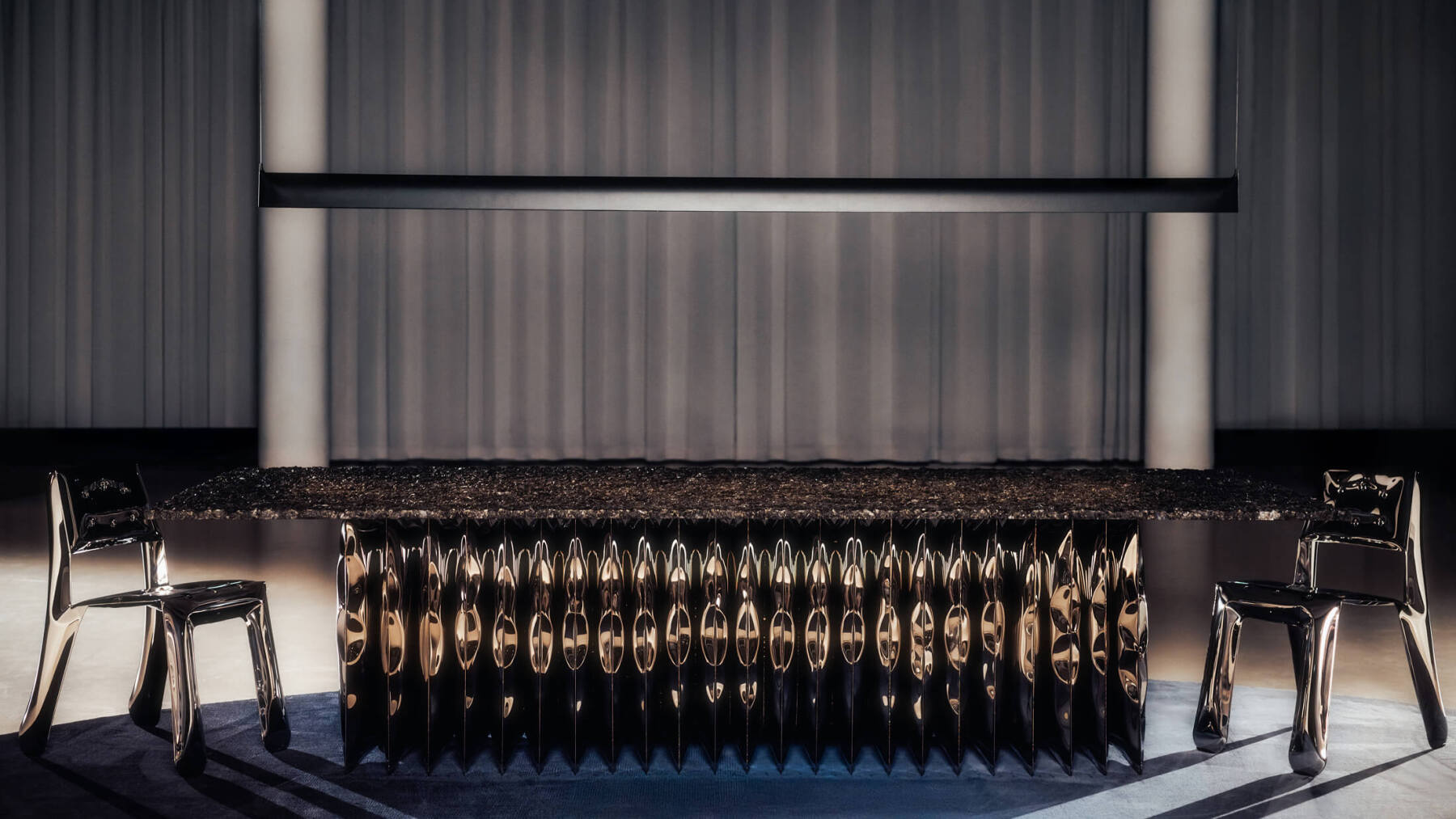
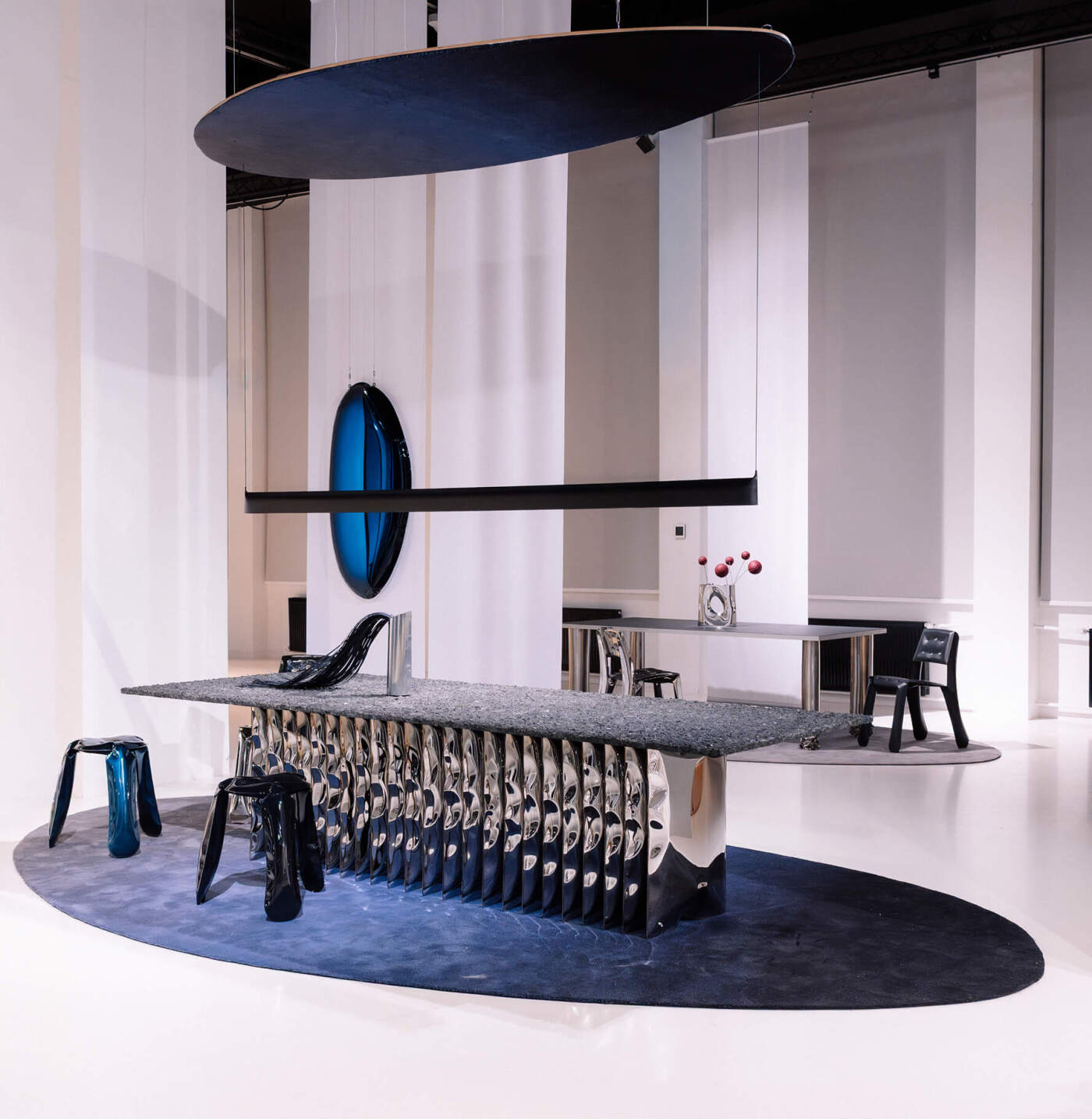
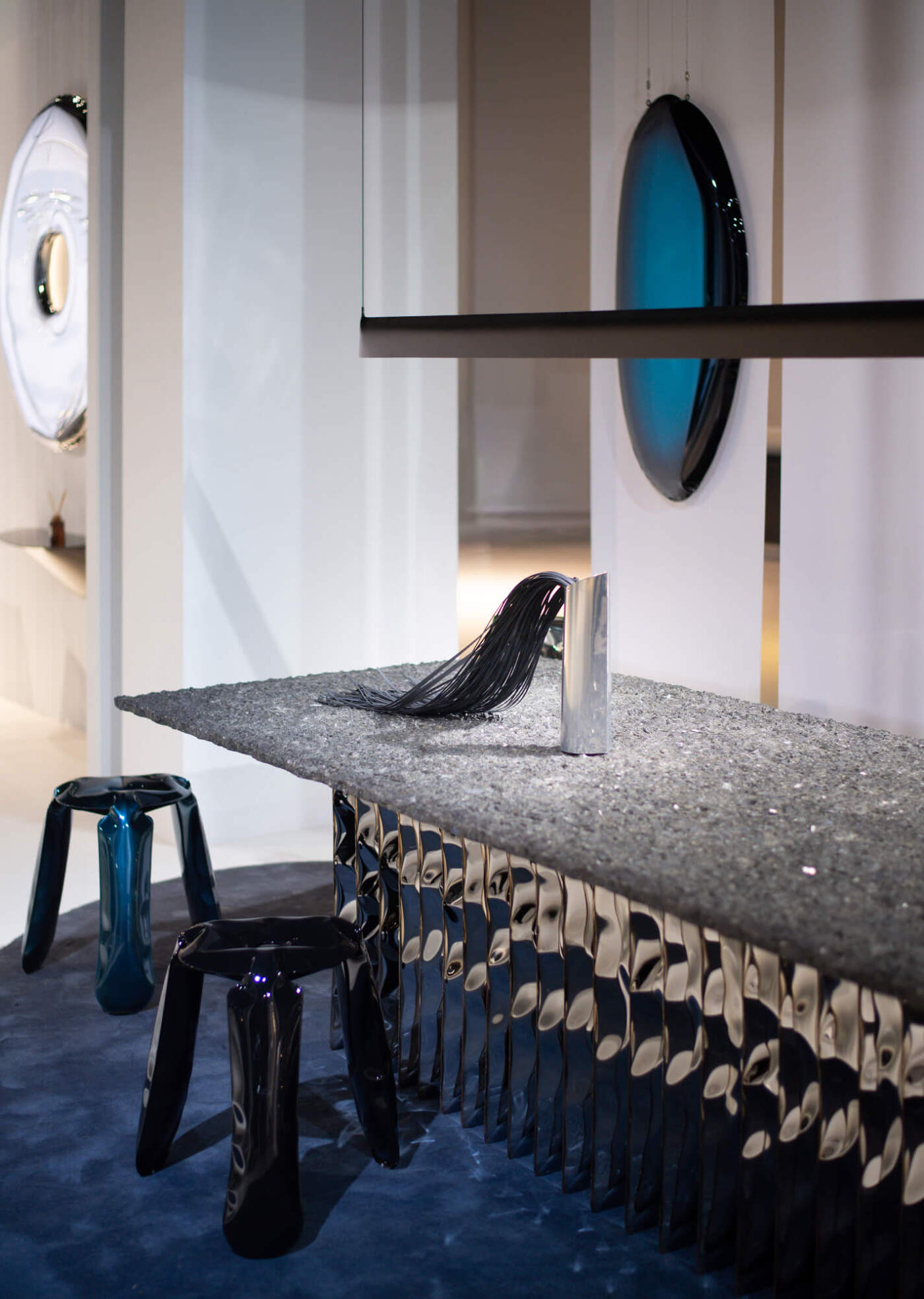
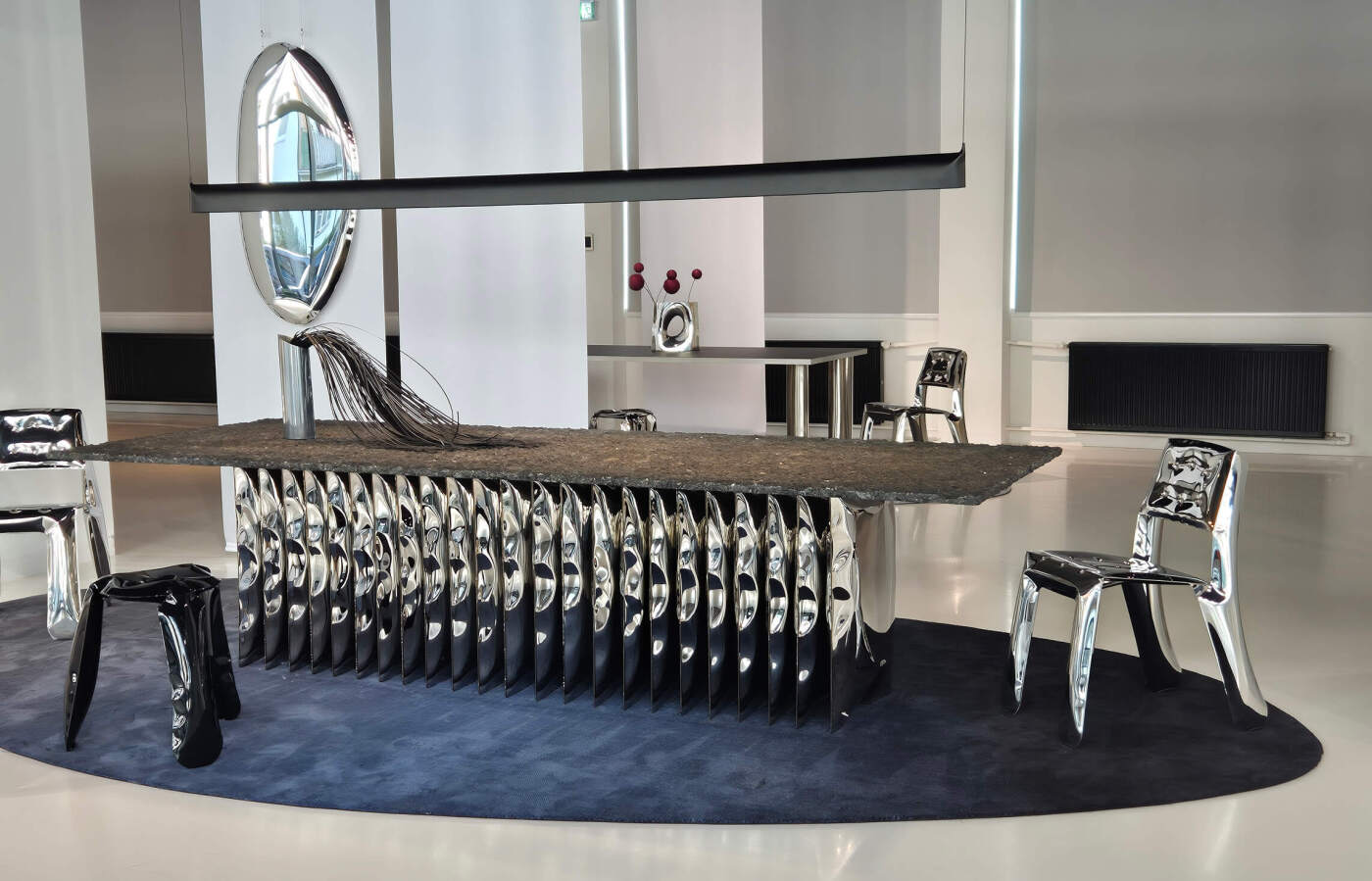
The Harmonica Table embodies Oskar Zięta’s structural way of thinking and distils the essence of his design methodology: from analysing material behaviour, to engaging in a dialogue with its inherent forces, to achieving a precise balance between controlled and uncontrolled deformation. It is a table of contrasts: heavy and light, metal and stone, the planar and the spatial. 

photo: Szymon Jędrzejewski, światło: Alex Iwański, produkcja: Julia Leus Produkcja: Julia Leus

The evolution of steel — brutalist form, experimental origins
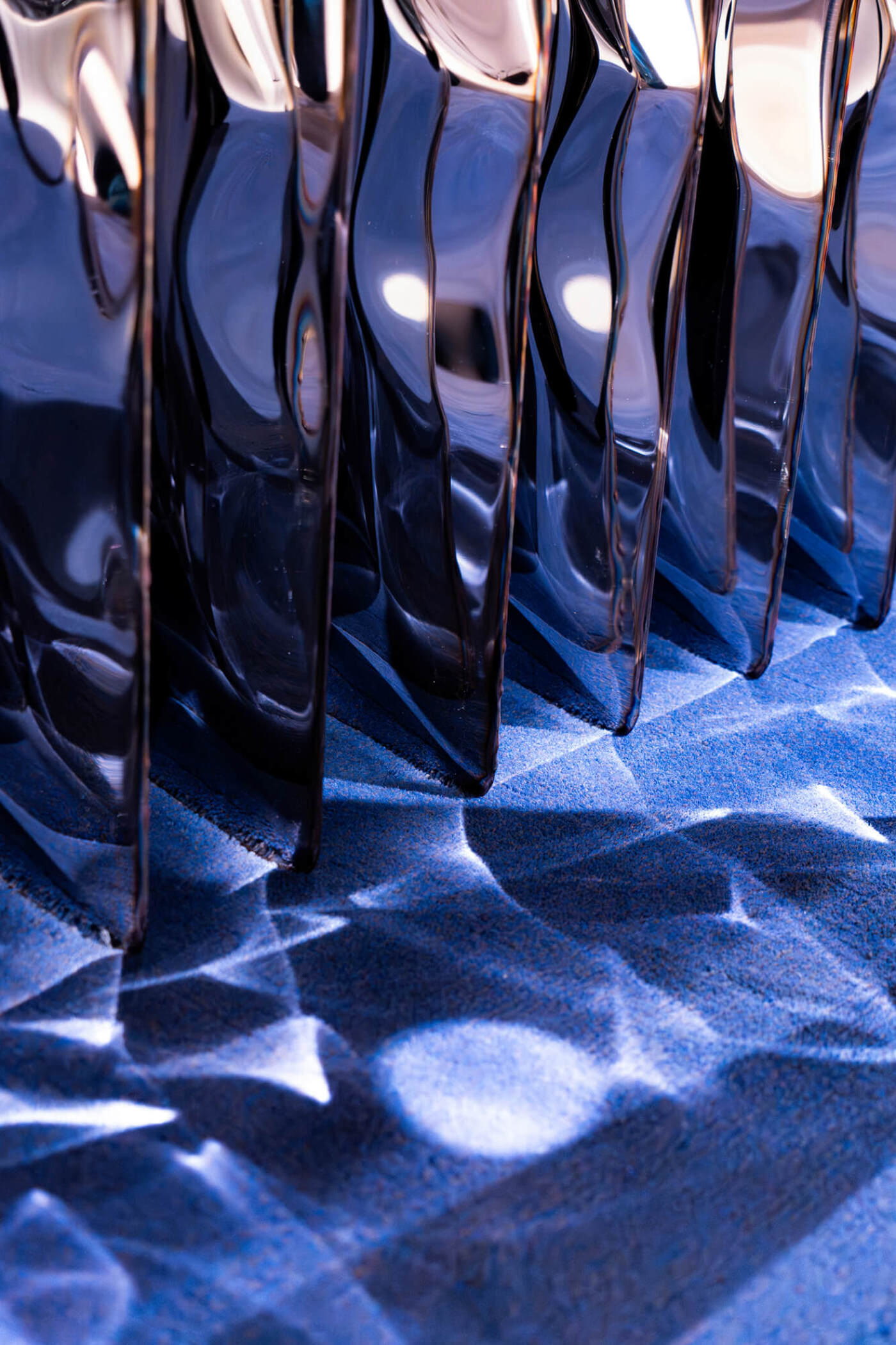
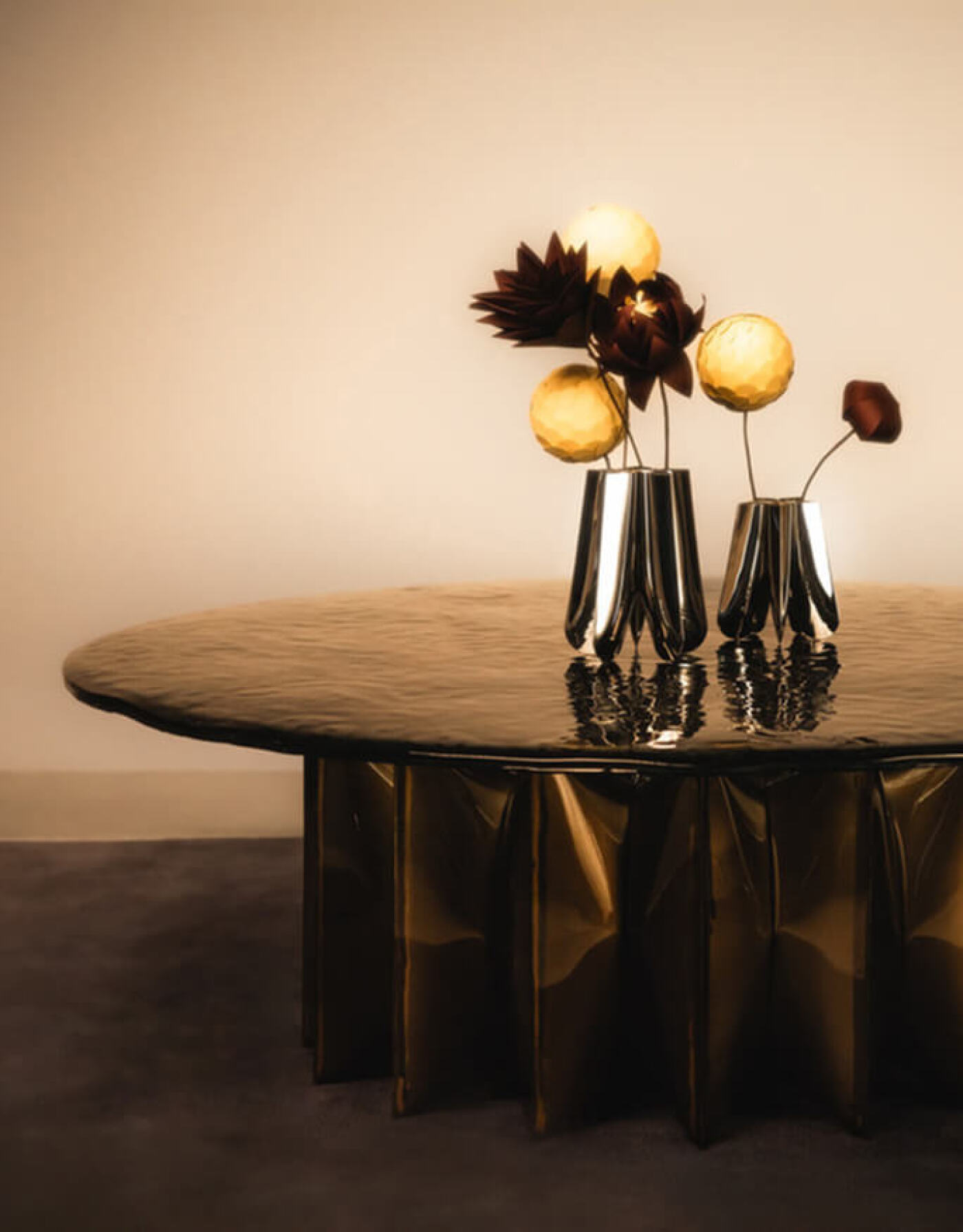
This is both a functional object and a sculptural one, bringing together two worlds: the FiDU technology—free deformation of metal under internal pressure—and the power of nature, expressed through steel revealing its internal tensions and through granite with a uniquely organic structure. 

photo: Jakub Musialski

photo: Jakub Musialski
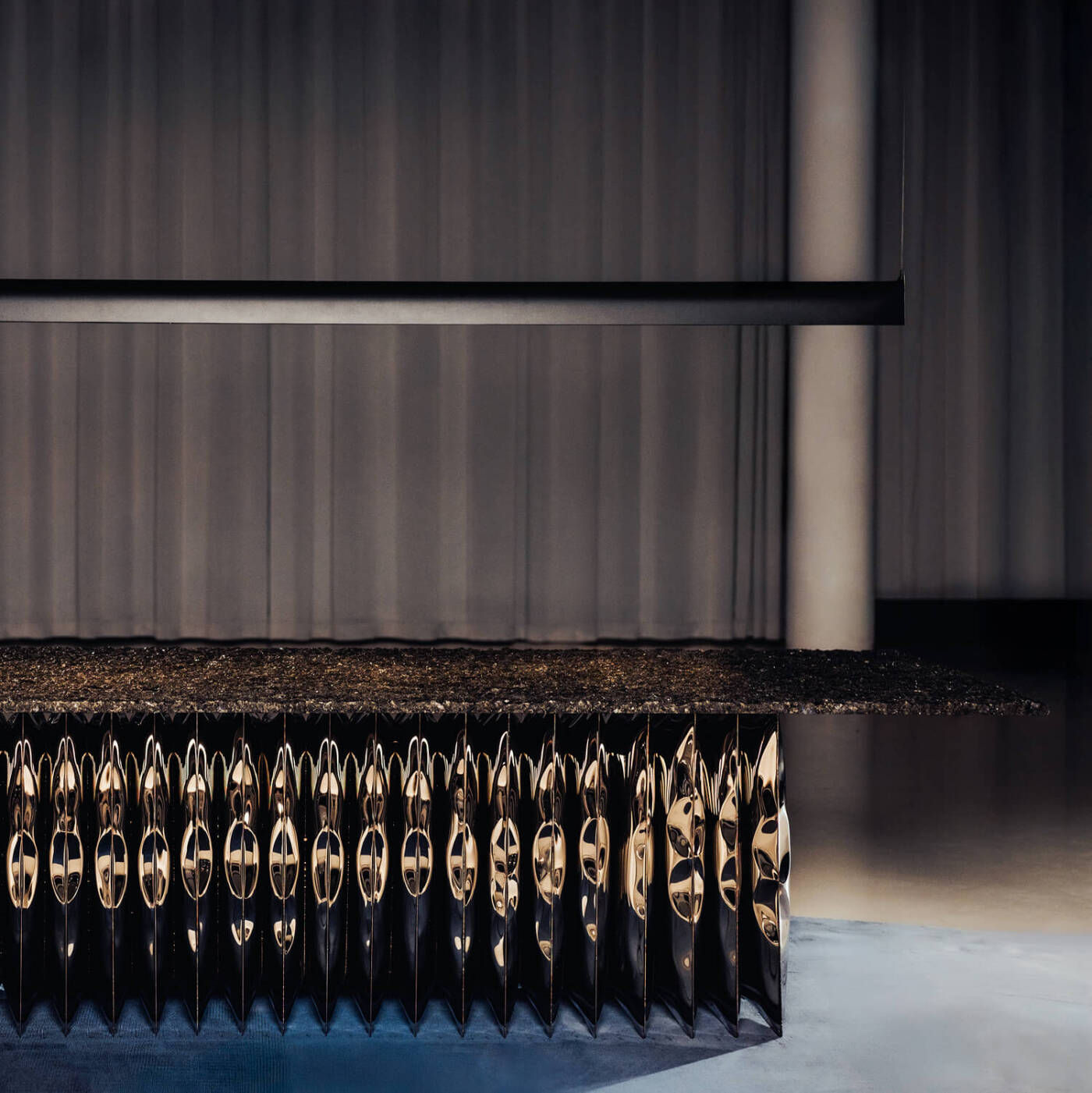
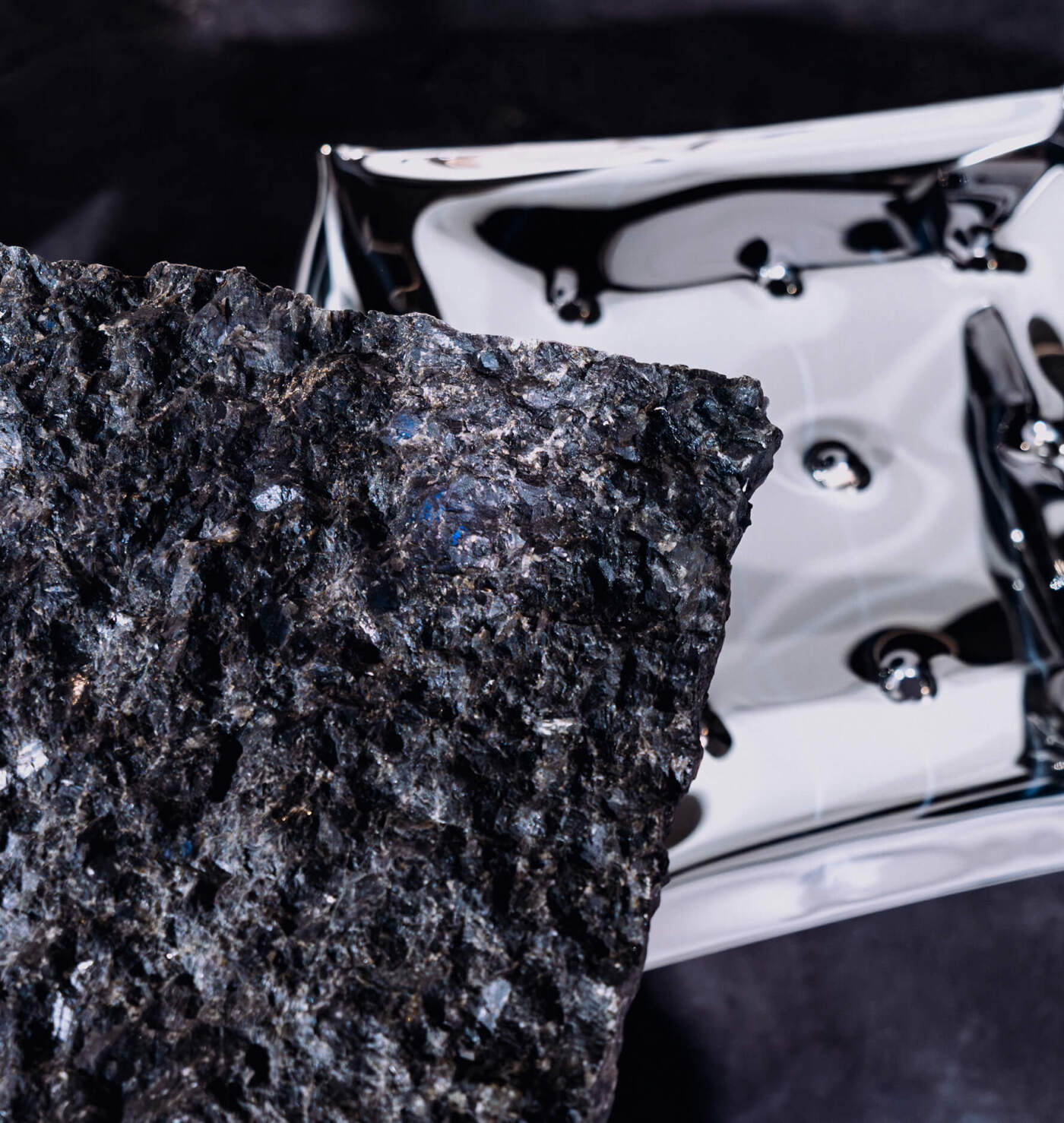
The Harmonica Table merges a brutalist steel base with a stone top, creating a tension between the durability and expression of the materials and the ultralight potency of the technology. Its sculptural form is the outcome of years of research into pressure-formed metal—research that has led Zięta to new methods for stabilising sculptural, functional and architectural structures. 

photo: Szymon Jędrzejewski, światło: Alex Iwański, produkcja: Julia Leus Produkcja: Julia Leus

photo: Szymon Jędrzejewski, światło: Alex Iwański, produkcja: Julia Leus Produkcja: Julia Leus

The drama of the stone top
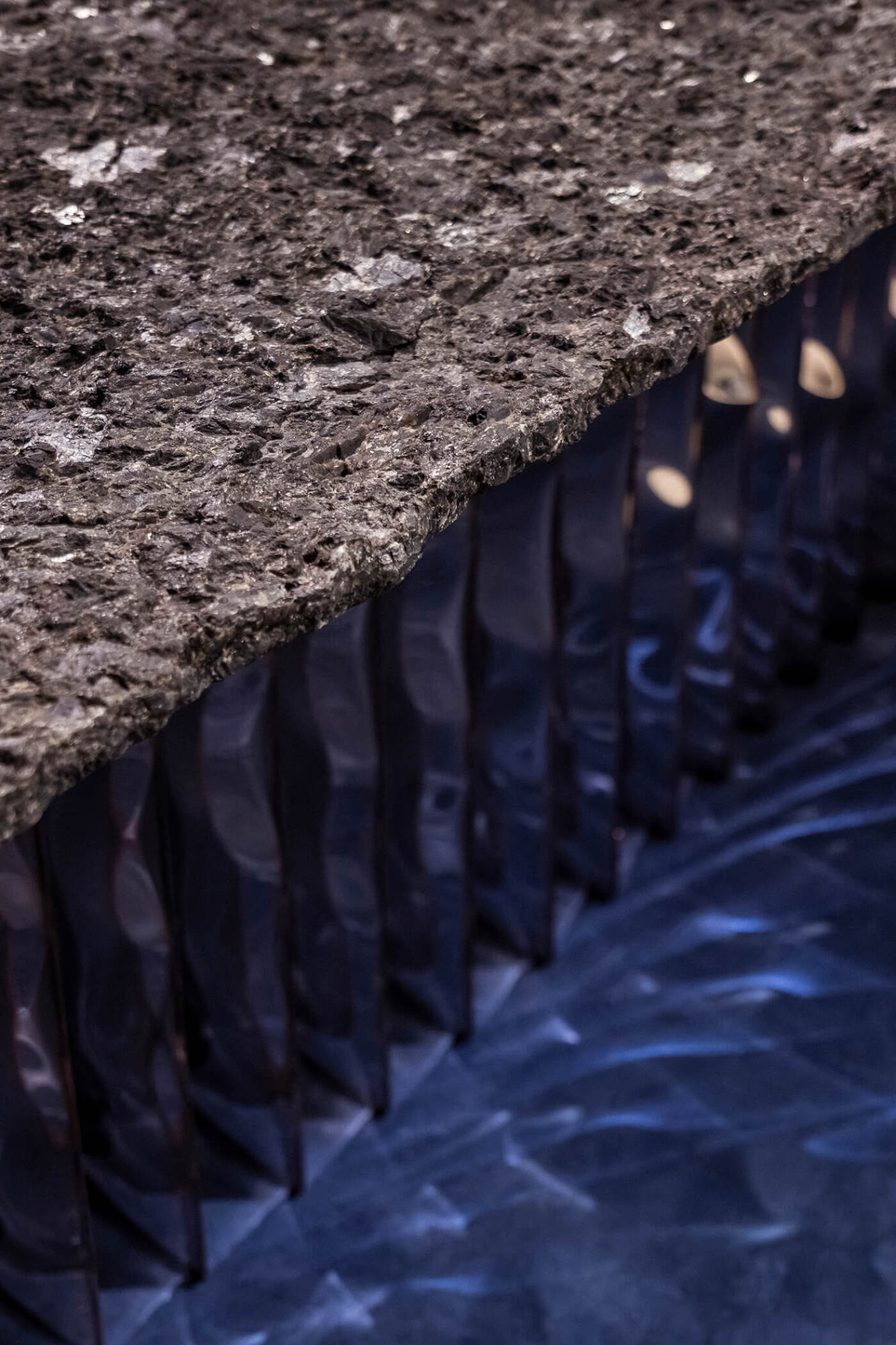
At the heart of the Harmonica Table is a granite surface carved from a block of stone with an exceptionally dense and mineral-rich texture. The block was cut as one would cut monumental sculpture stone, in a way that exposes its primal geological interior. This technique is reserved for large-scale sculptures and installations—where perfection gives way to the drama of nature. 

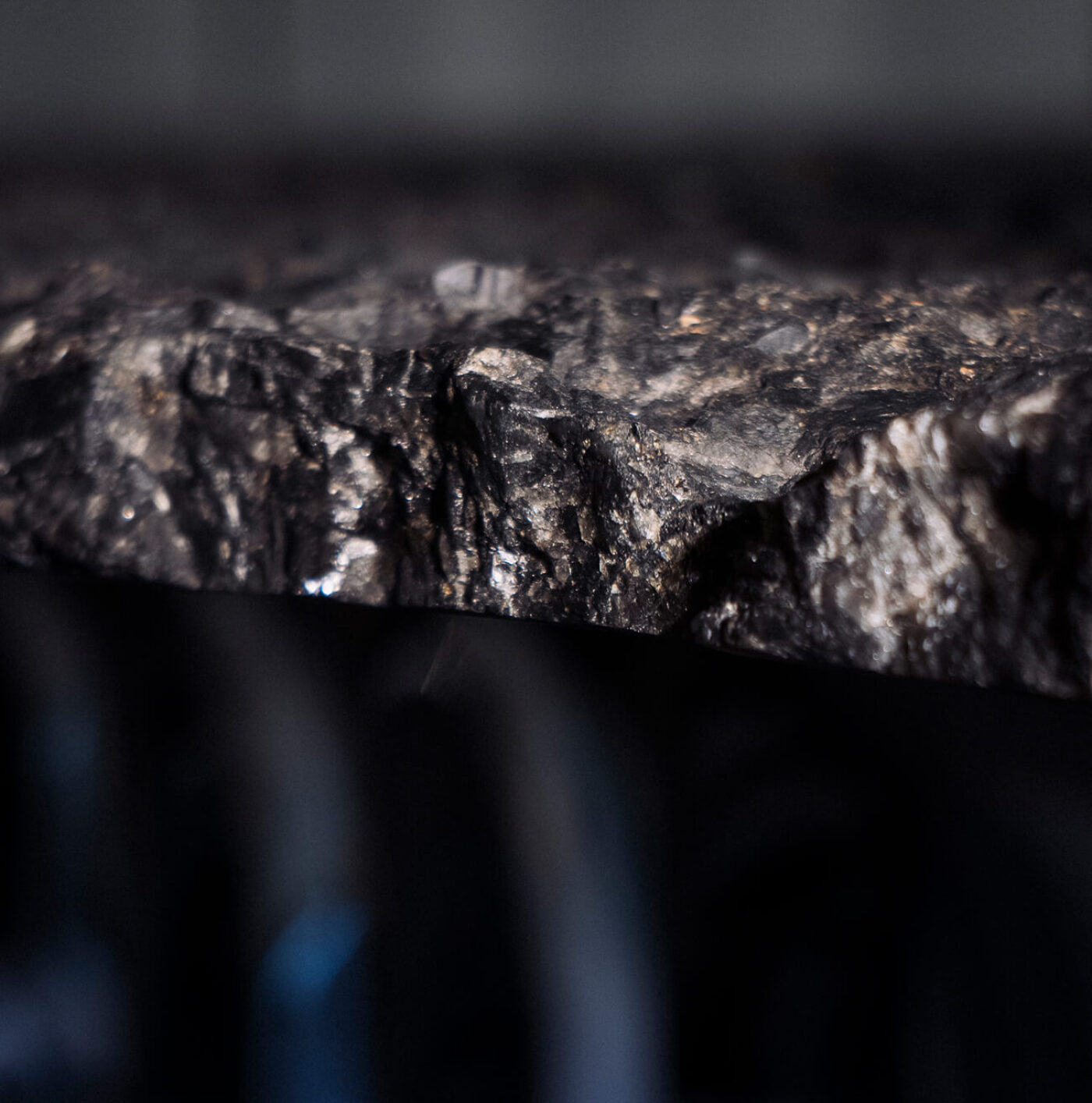
The resulting surface is utterly unique and impossible to reproduce: the open heart of the rock, revealing dramatic fractures, mineral tensions and chaotic grains shaped under millions of years of pressure. Every irregularity, every fragment is a record of the Earth’s history, revealed through a single, irreversible cut. 

photo: Jakub Musialski

photo: Jakub Musialski

Craft and nature — edge and gesture

The surface preserves the full authenticity of the mineral structure. Its unpolished edge was shaped entirely by hand by a master stonemason—an artisan engaged in a deliberate, courageous dialogue with a material far older than humankind. The result is sculptural yet precise: an edge that unites the drama of natural fracture with the control of the human hand, making the stone top as expressive as the steel base. 

photo: Jakub Musialski

photo: Jakub Musialski

The meeting of natural stone and pressure-formed steel has produced an object that is singular, non-serial, author-made and of high collector’s value. The Harmonica Table unites nature and engineered creativity—an encounter that can occur only once. 
The Harmonica process — metal that grows
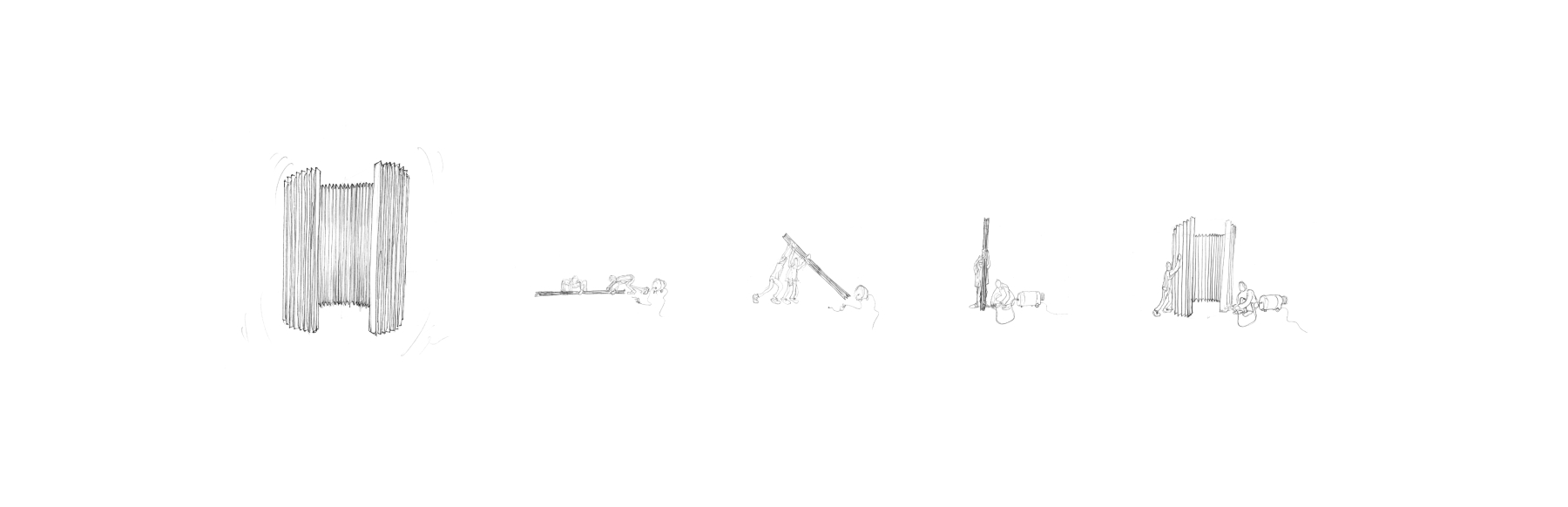
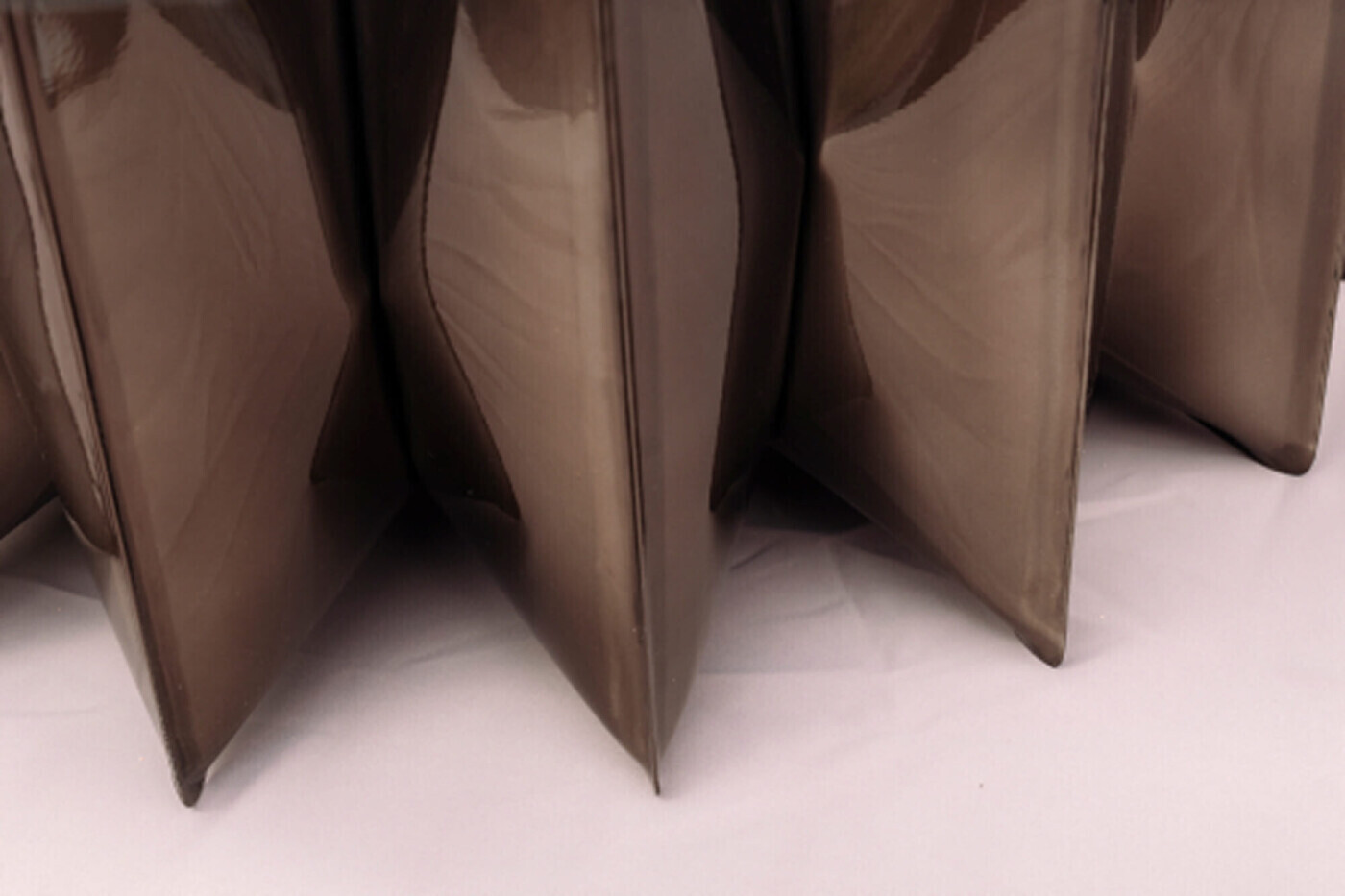
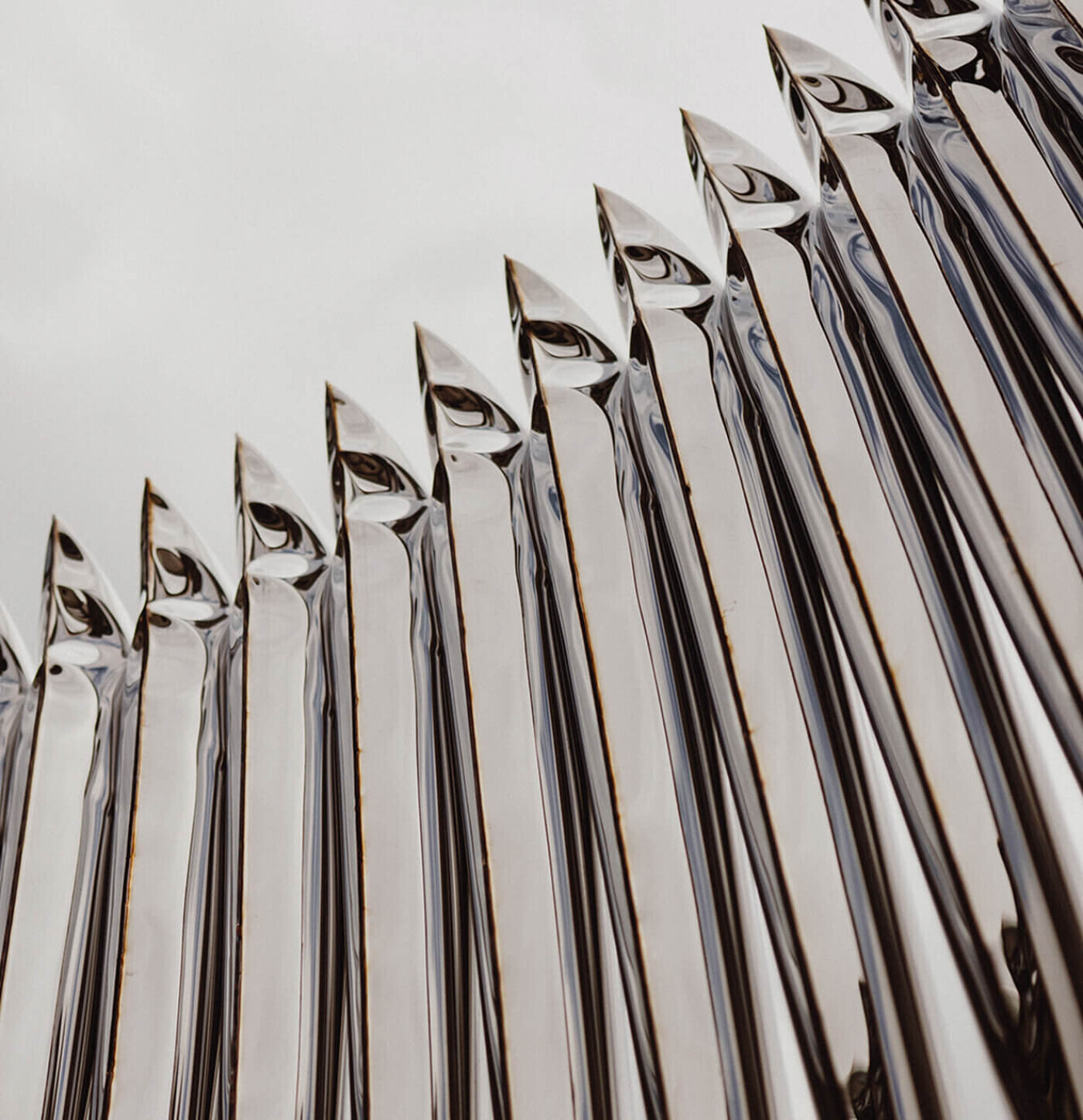
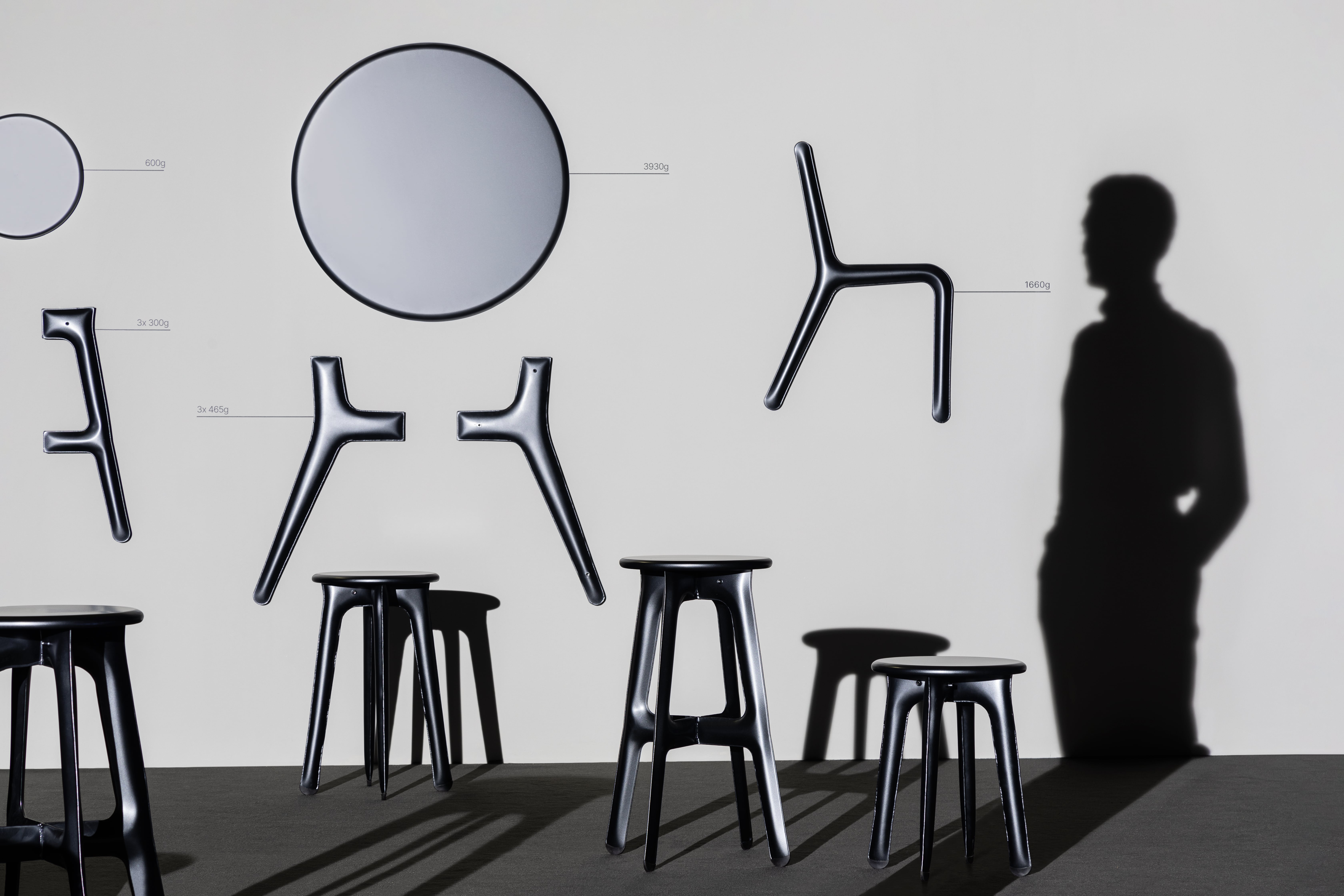
The Harmonica concept is an evolution of a process defined by controlled loss of control. During FiDU deformation, steel grows—expanding from a flat outline into a three-dimensional form as air is forced between precisely welded membranes.

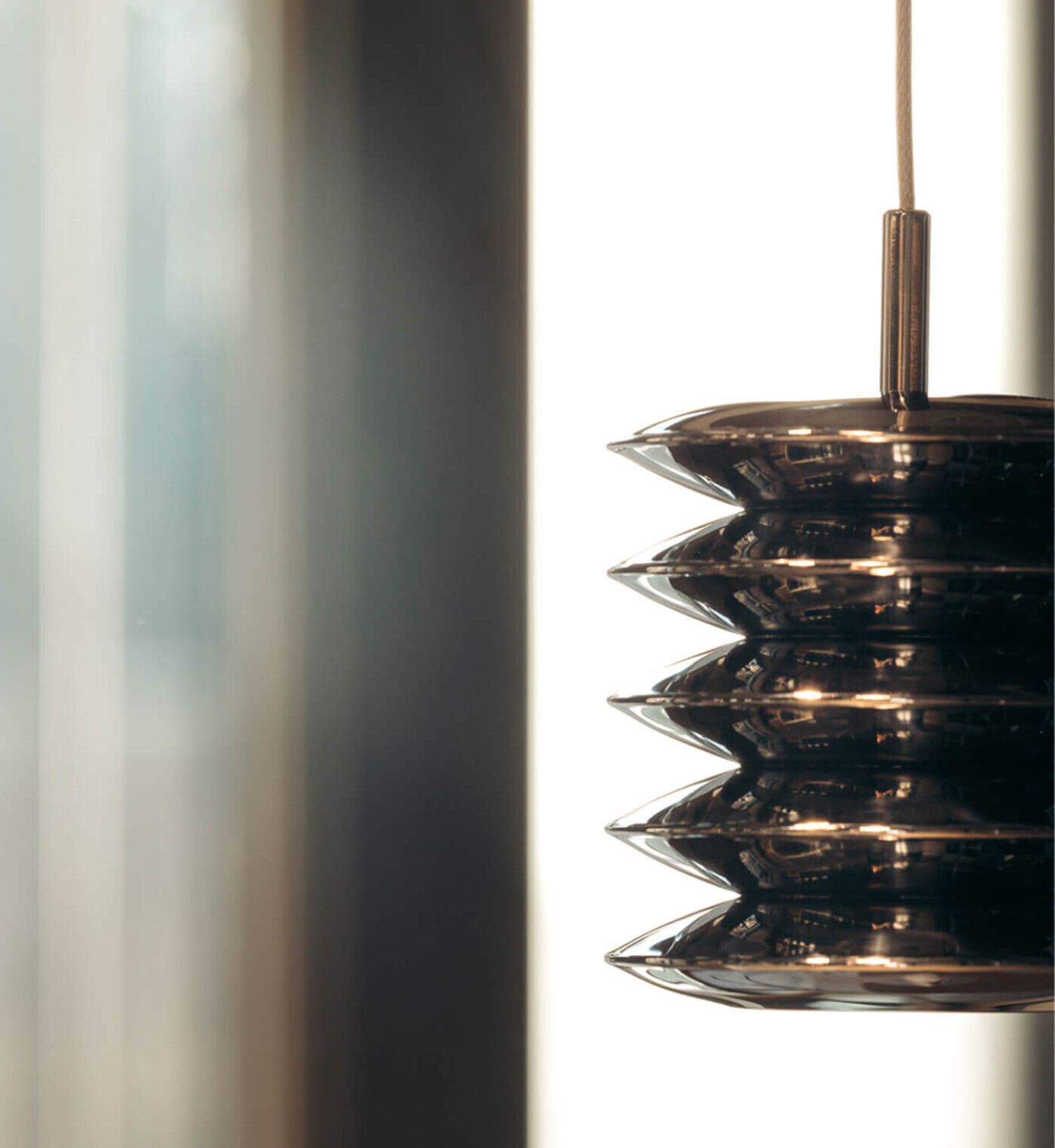
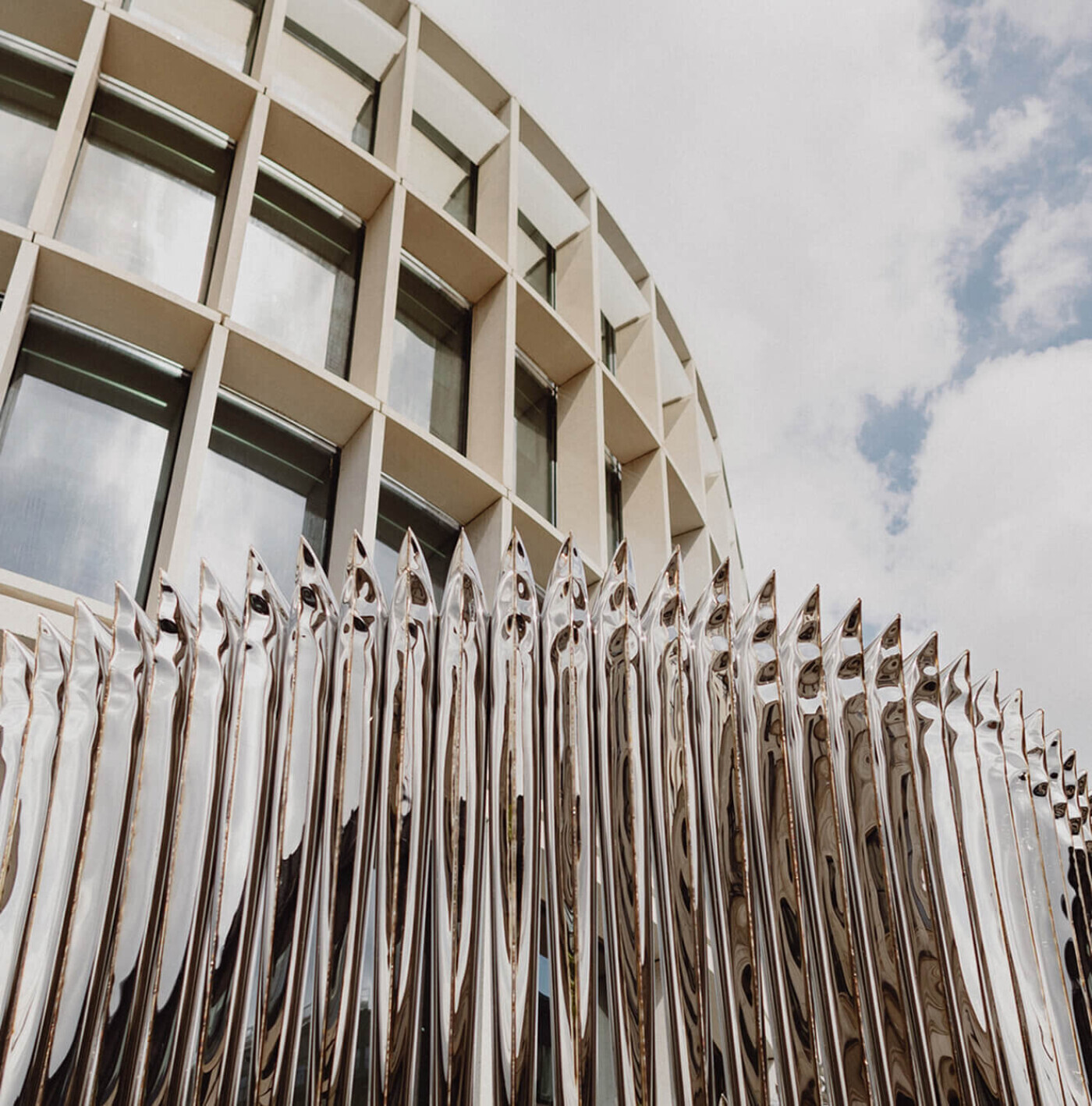
Harmonica expresses the phenomenon of multiplicated elements that, through volumetric expansion, unfold like bellows or accordion folds, forming a segmented brutalist body. The rhythm of this deformation—repetitive, sequential and yet organic—became the inspiration for the Harmonica concept and the foundation for later experiments: from tables, to lighting, to public-space installations. 

Volumetric function — a new design language

The Harmonica concept opened a new chapter in Zięta’s work, one in which function becomes volumetric. Air—the principal agent of the FiDU process—becomes a structural tool in the hands of the designer. Zięta refers to it as “air squared”: an element that gives form volume, stability and identity. 

photo: Jakub Musialski

photo: Kacper Miodek

Its results are visible in Harmonica sculptures, tables and lamps: each form documents its own process, each function gains spatial presence, each structure approaches architecture. 

photo: Jakub Musialski

photo: Szymon Jędrzejewski, światło: Alex Iwański, produkcja: Julia Leus Produkcja: Julia Leus
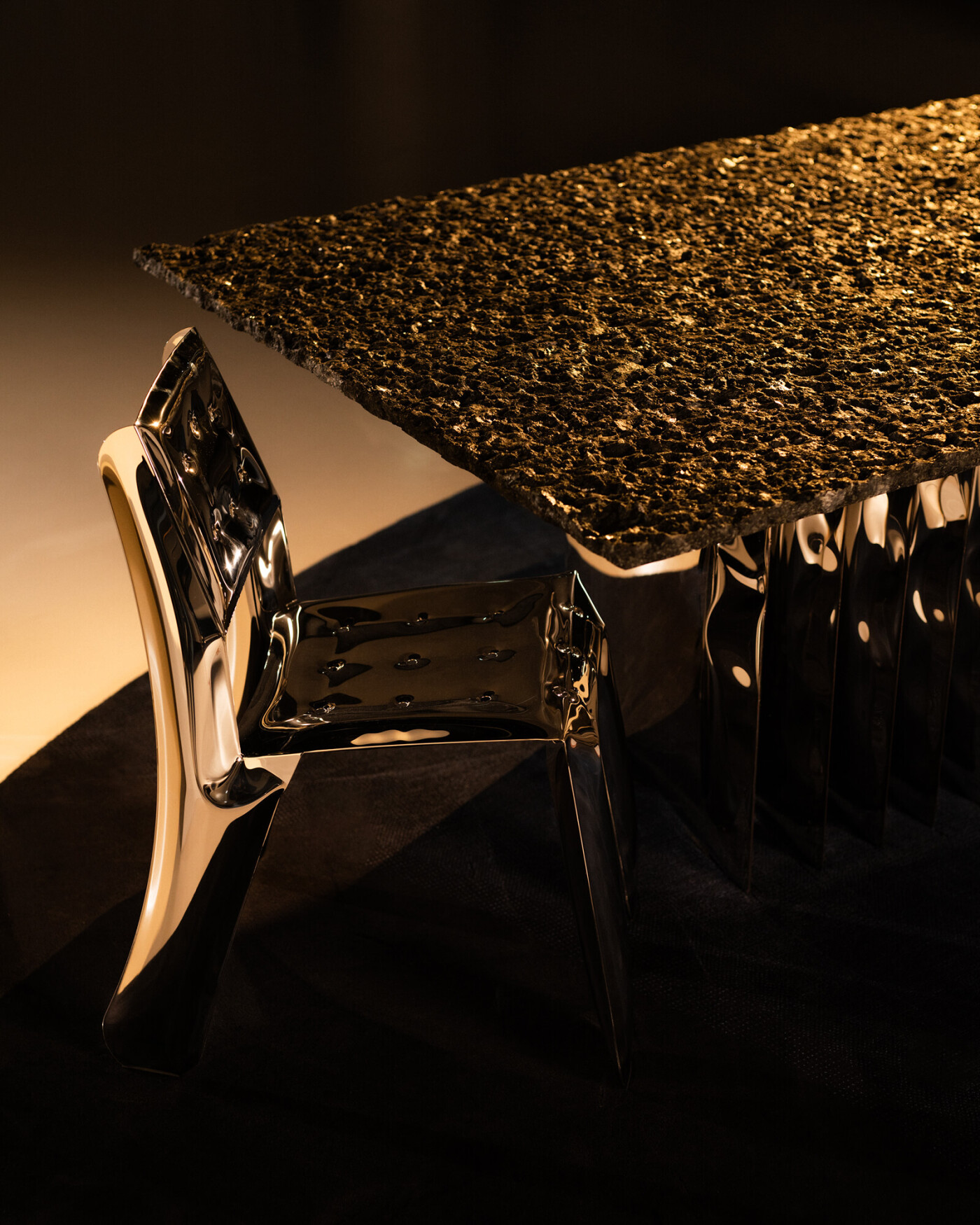
photo: Alka Murat

Harmonica, Whispers and Echo’s — continuity of one process
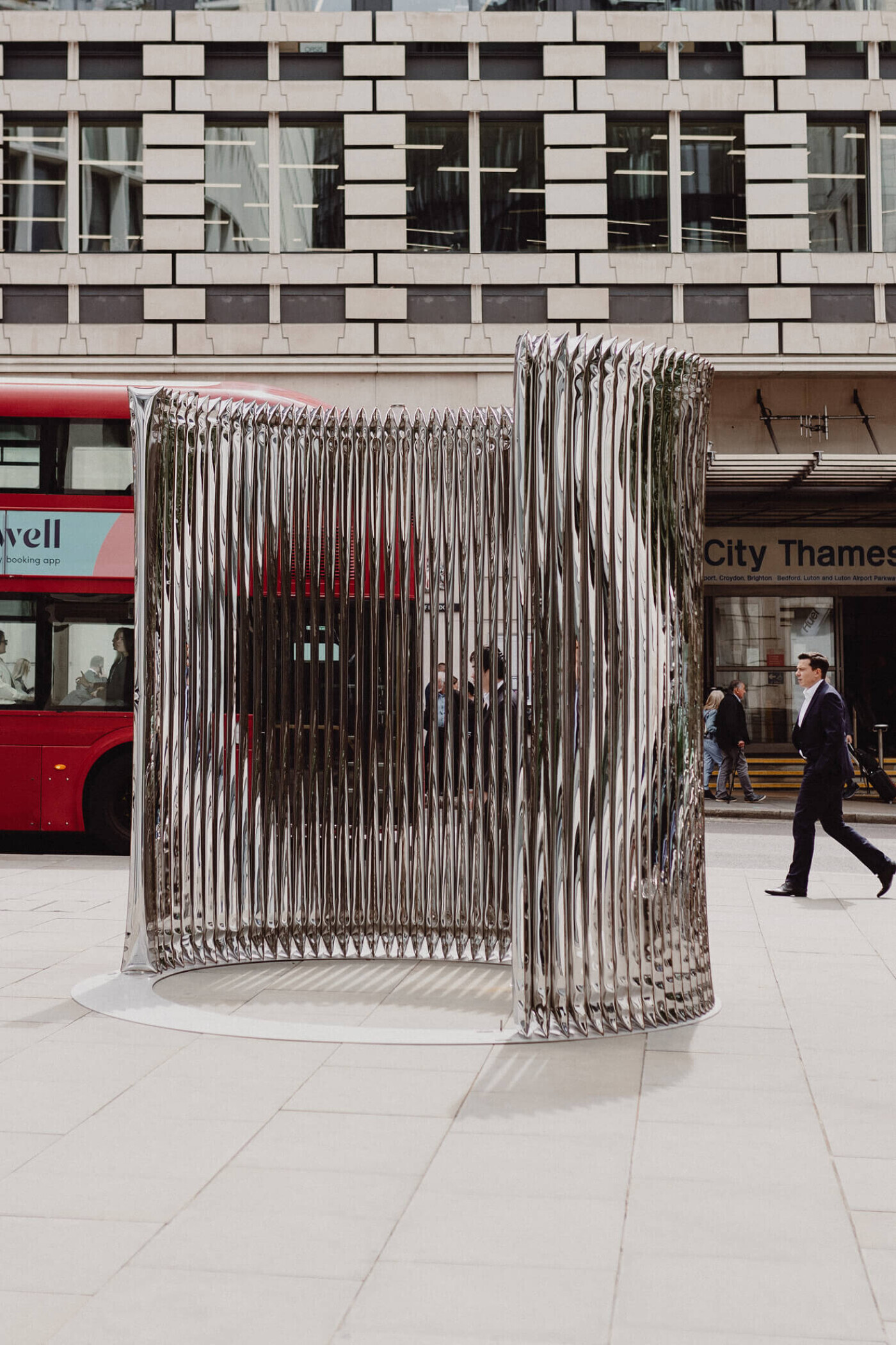
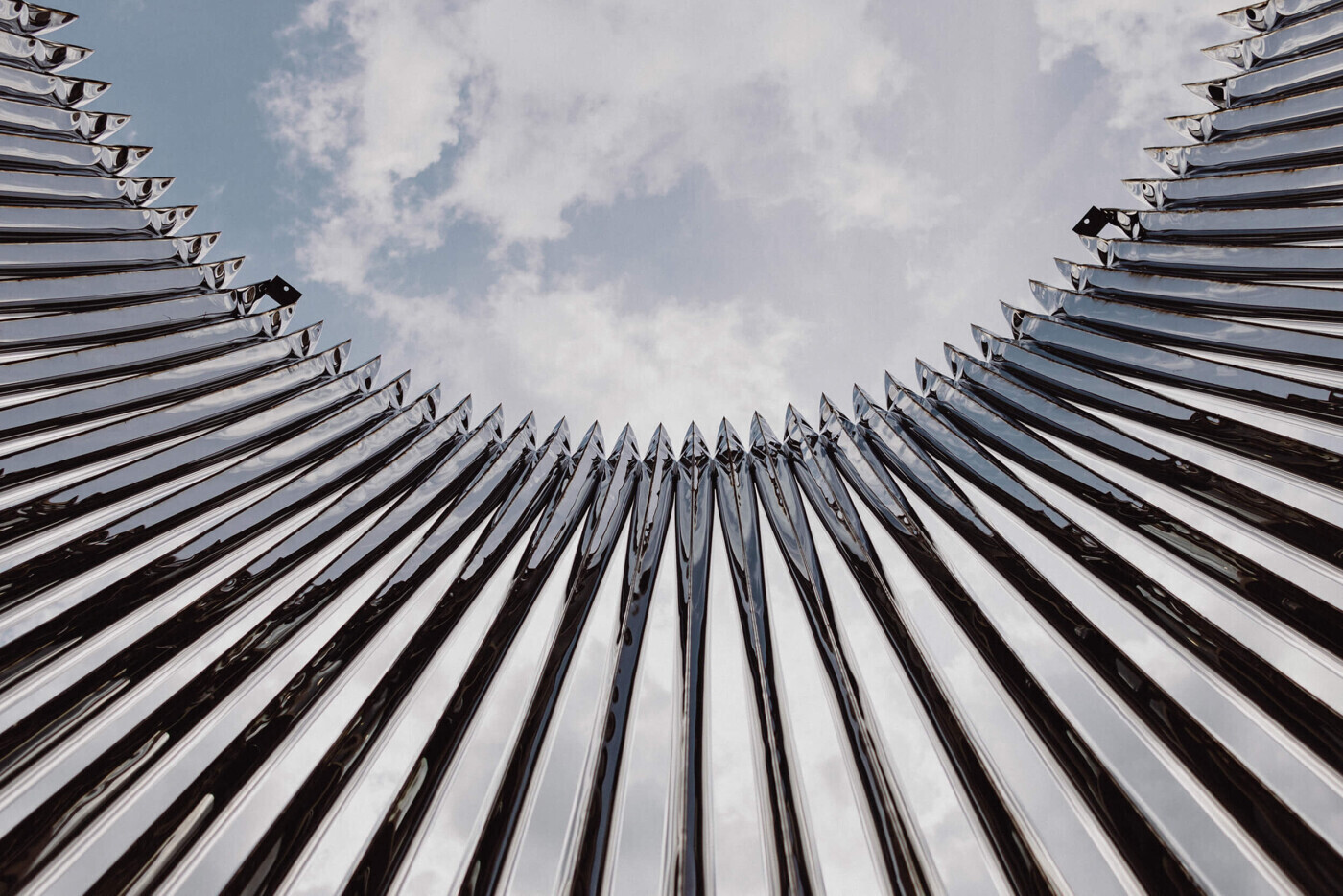
The Harmonica Table forms part of a broader developmental narrative that also encompasses the sculptural Whispers installation in London and the Echo objects. All originated from the same technology and the same underlying process, yet each differs in the moment of pressure injection, the direction of expansion and the distribution of forces. 
The Harmonica Table articulates a linear narrative of deformation, while Whispers and its Echoes present axial and functional variations of the same principle. What unites them is the FiDU process: a system in which even the smallest adjustment to the parameters can yield a radically different result. 

photo: Alka Murat

photo: Alka Murat

photo: Alka Murat
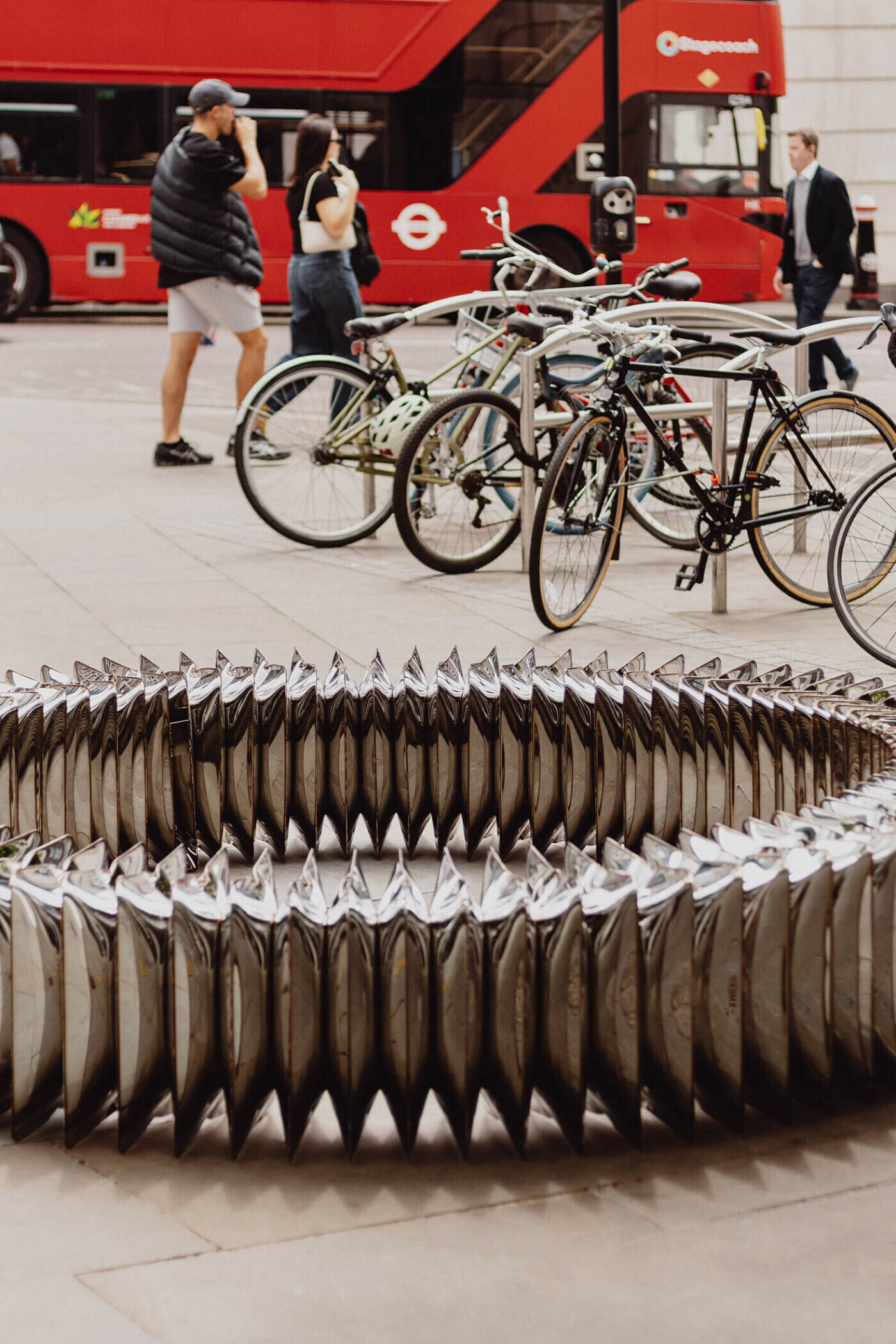
photo: Alka Murat
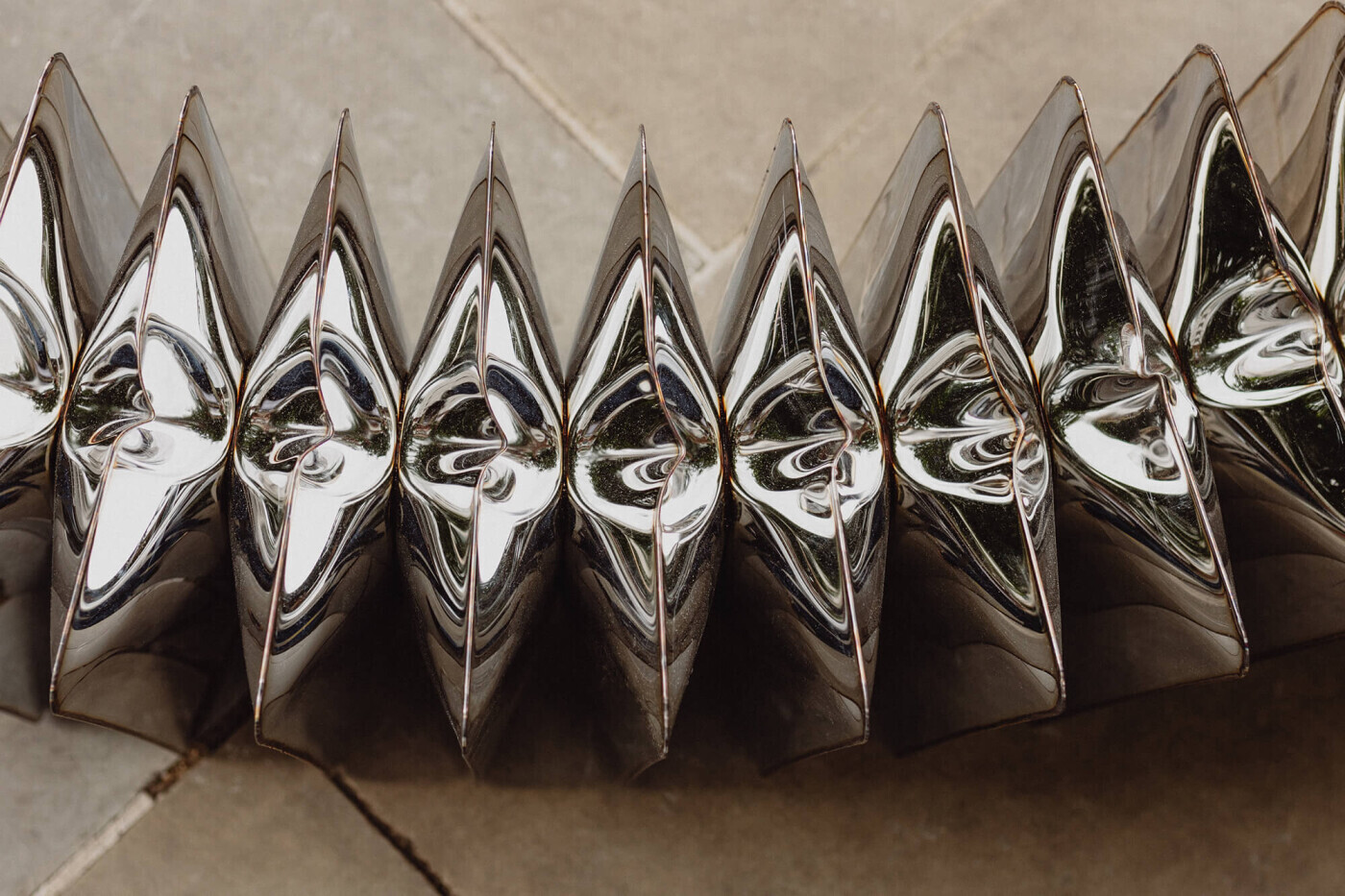
photo: Alka Murat
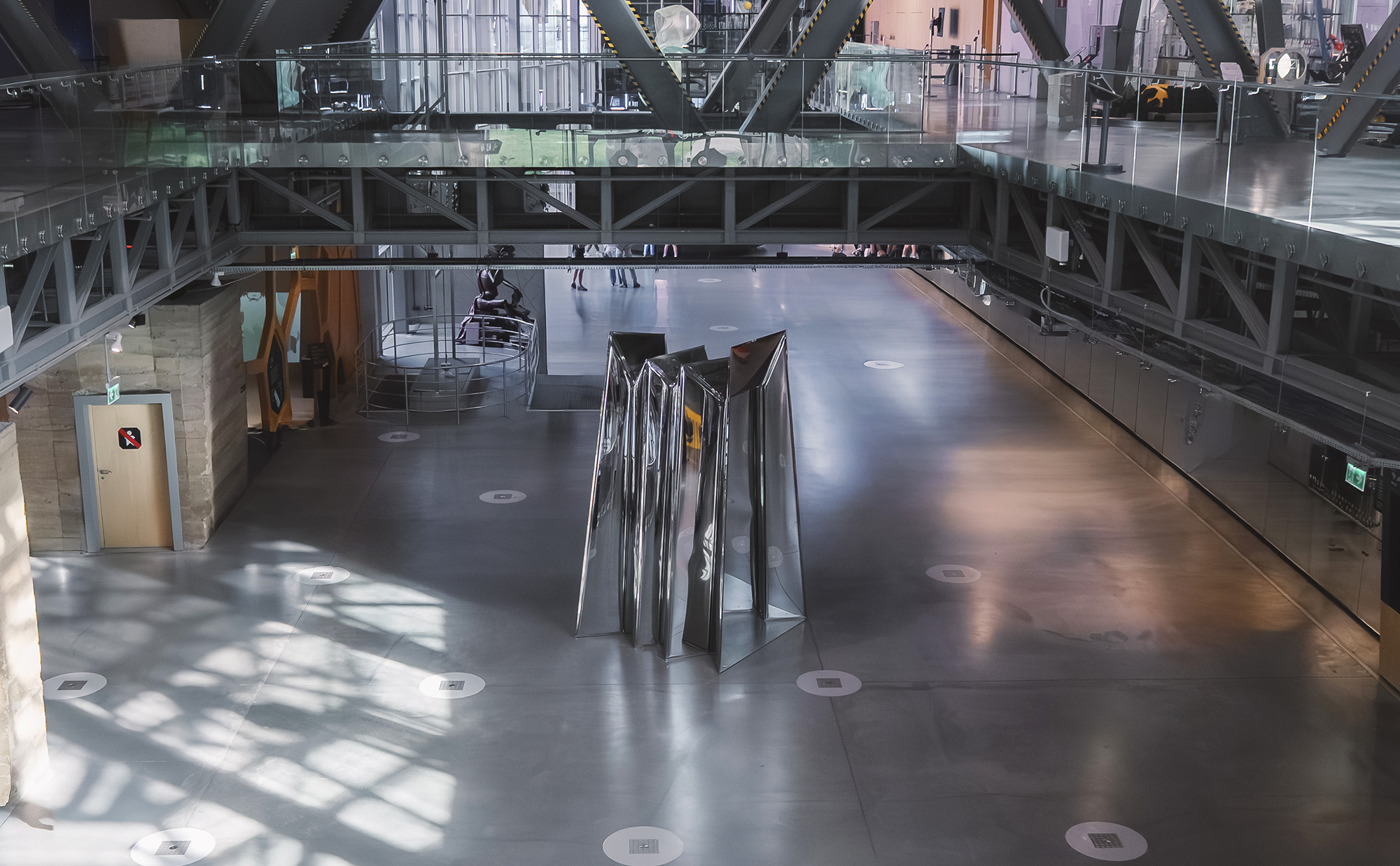
Harmonica is therefore not merely an object — it is a method. A formative language that can be scaled seamlessly from functional pieces to architectural installations. 

Don’t miss out on upcoming events

Follow us

Instagram newest

Please select preferred language and currency to make ordering process easier for you.
It can be changed later in menu above
Confirm